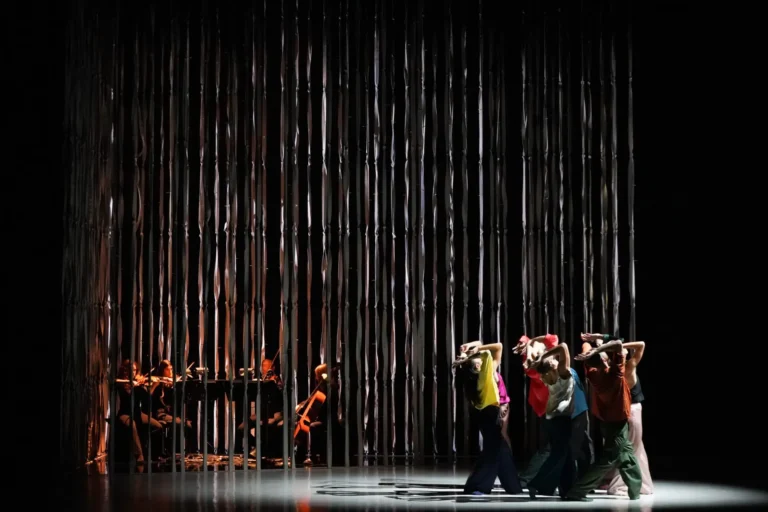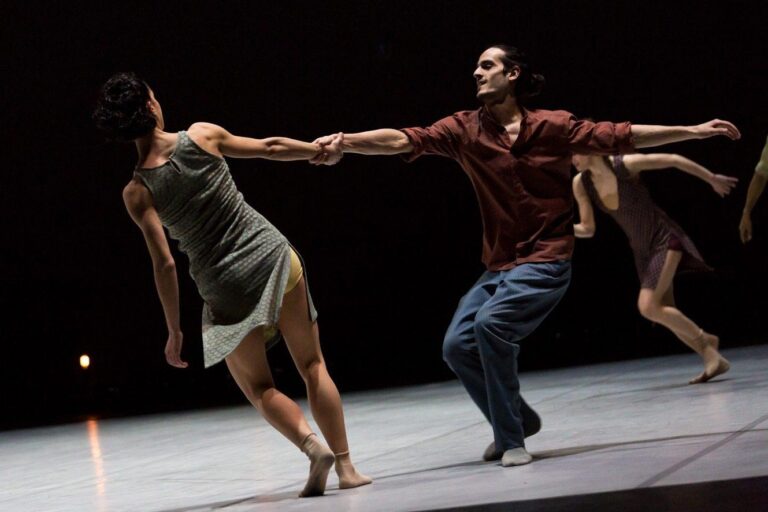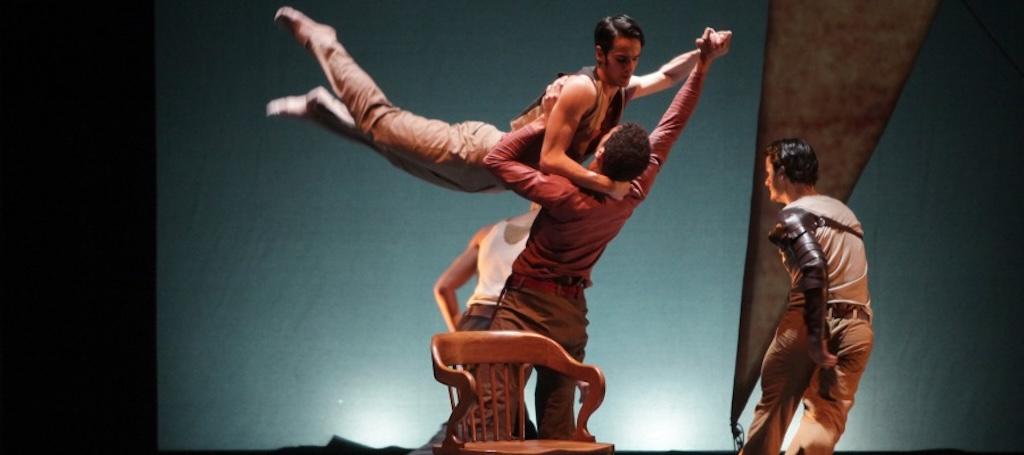
Artists, dreamers, able to go beyond every physical limit until they incarnate that which, for some, is abnormal, strange, mad. Don Quixote evokes movement and metaphor, inspiration and strangeness where everyone is free to be what they imagine. As does Eugenio Scigliano, reflecting in the character and interpreting in dance the sense of bewilderment and the need to keep hold of one’s own ideals.
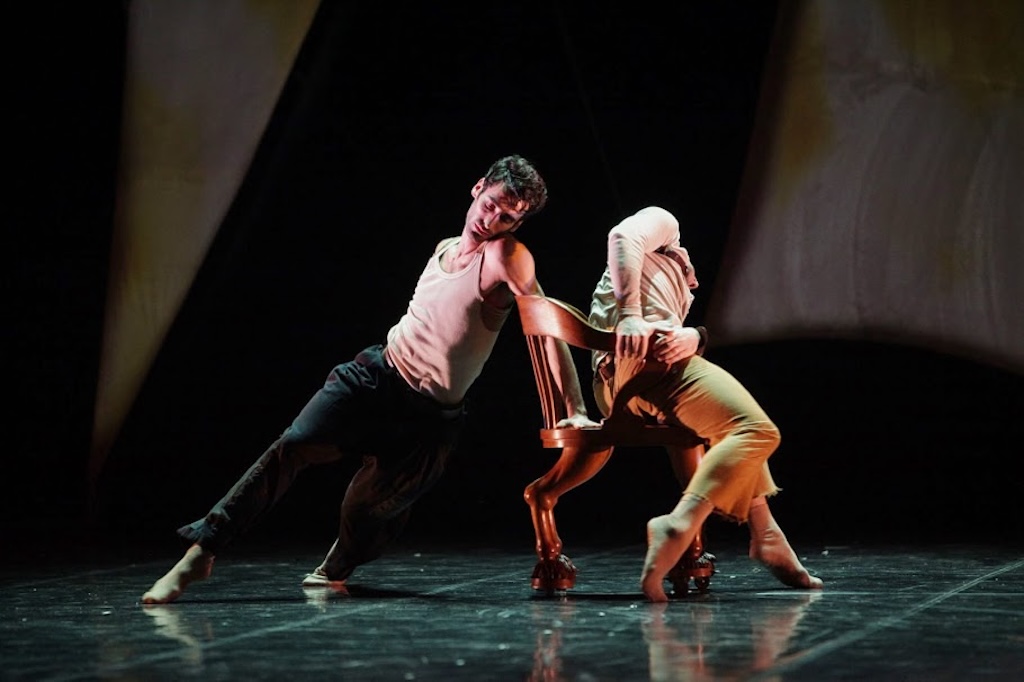
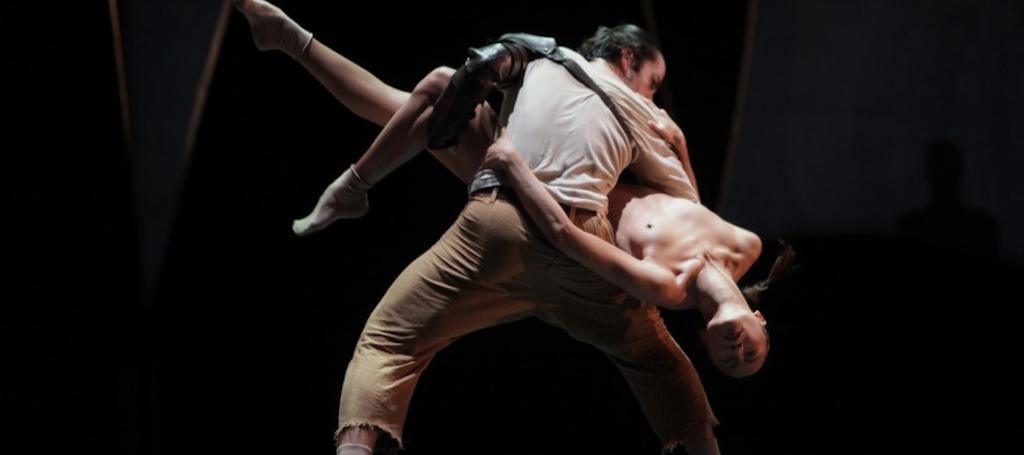
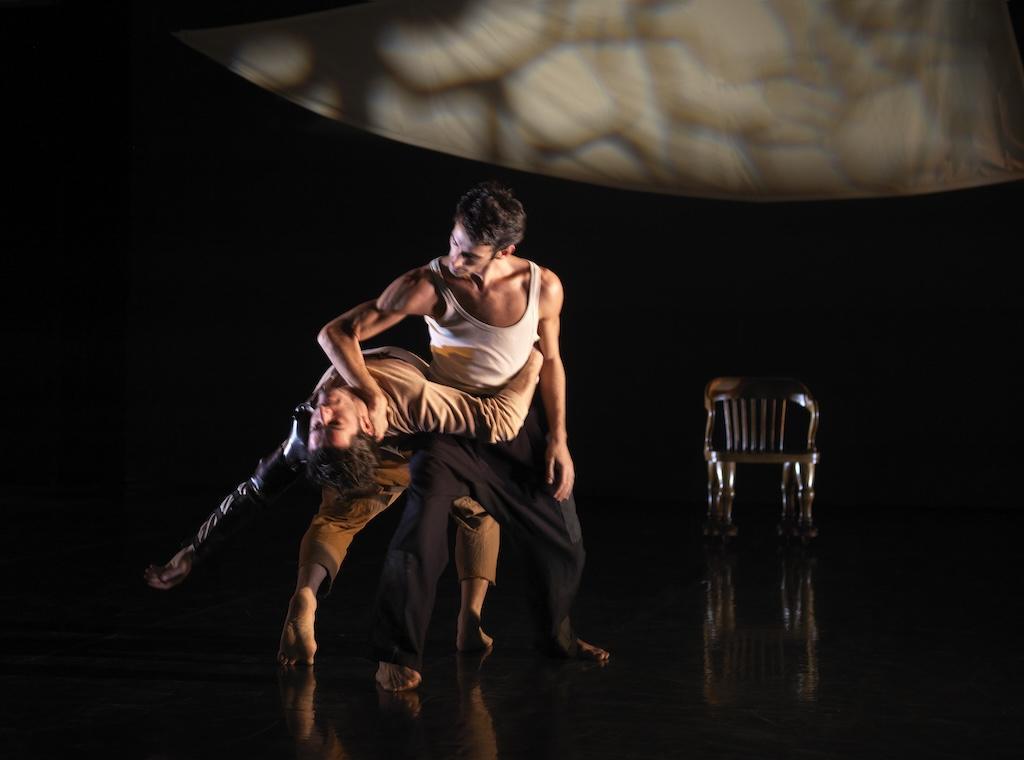
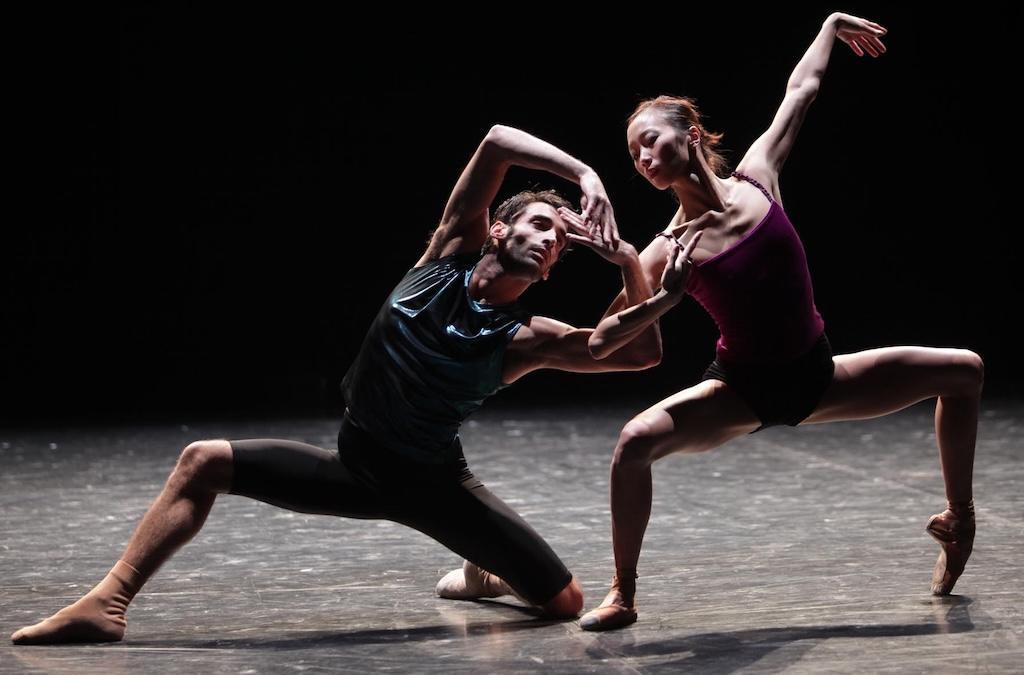
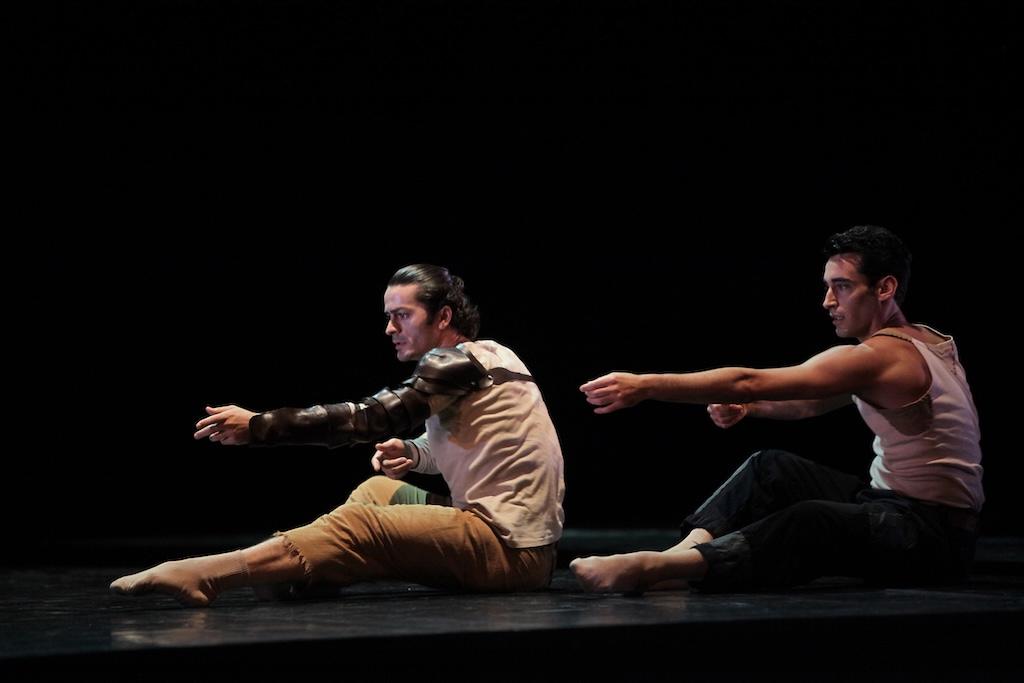
Cervantes’ anti-hero was the first truly modern figure in the new literary genre novel. Torn between his overpowering dreams and banal reality, the eccentric Hidalgo became the symbol of the artist. To this day, his passionate search for love and beauty always captivates new generations of readers. And also in the world of ballet, the great knight of imagination has left his mark. The classic and best-known version was delivered by Marius Petipa with his Don Quixote from 1869. However, Don Quijote plays only the second violin in Petipa compared to the central young couple. In Eugenio Scigliano, on the other hand, the steadfast nobleman is the linchpin of the piece. Together with Sancho, who is much more a friend than a clumsy servant, Don Quixote moves through a weightless dream landscape. On the run from the dreary everyday, he encounters not only his Dulcinea, but a multitude of changing figures and situations. Because Scigliano was important to organise really individual roles for all 18 dancers.
Eugenio Scigliano fascinates the very present side of Don Quixote – the tension between the world of fantasy and reality. This duality runs like a common thread through his choreography, up to the choice of music. Classic Spanish wise men alternate with the mighty experimental sounds of Kimmo Pohjonen. Don Quijote is the ultimate non-conformist. He remains true to his dreams and ideals, even at the cost of failure. Scigliano thinks: We should all be inspired by him.