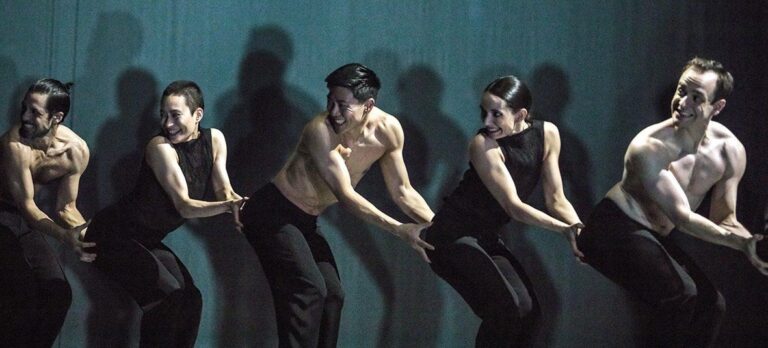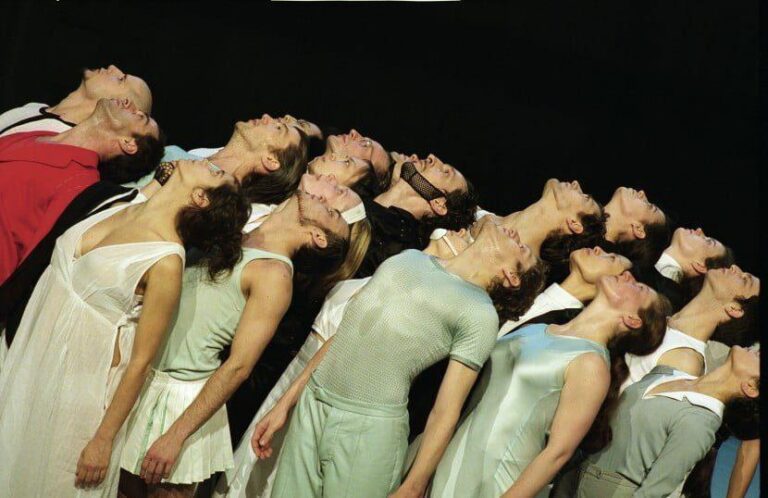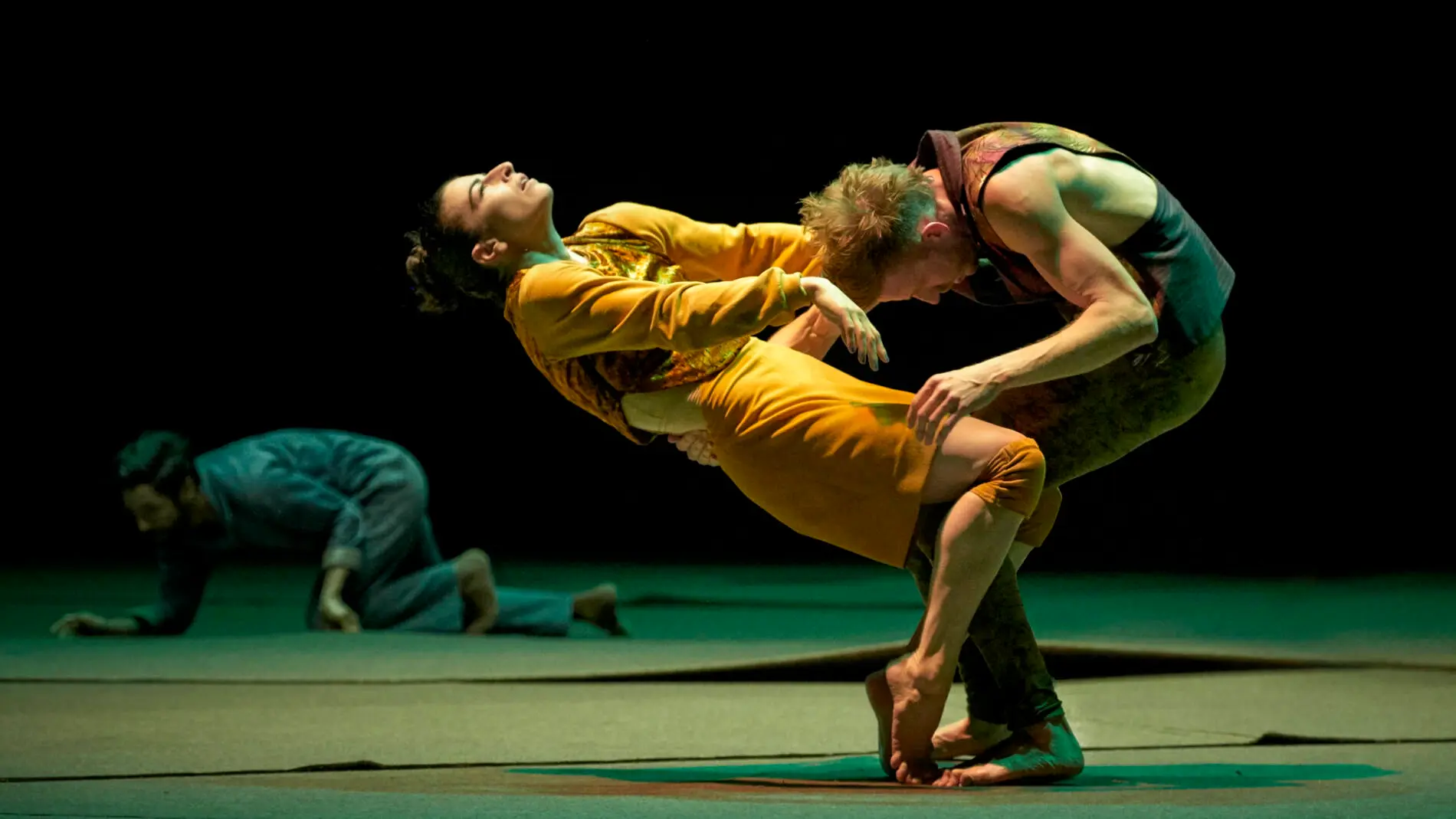
Valley is a contemporary dance work by Spanish choreographer Marina Mascarell, created for GöteborgsOperans Danskompani and premiered at the Göteborg Opera in 2019. Developed through an extensive period of research, the work examines a distinctly contemporary question: what happens when life itself becomes a performance? Mascarell explores the ways technology, social expectations, and constant visibility influence the way human beings perceive themselves and one another.
At the heart of Valley is the body. It is our most immediate connection to the world, the means through which we communicate, touch, and experience other people. At the same time, the body defines the boundary between the individual and the outside world. It makes each person unique, but this very individuality can also become vulnerable to systems of control. Mascarell investigates how bodies can be shaped, regulated, and transformed by social norms and technological observation.
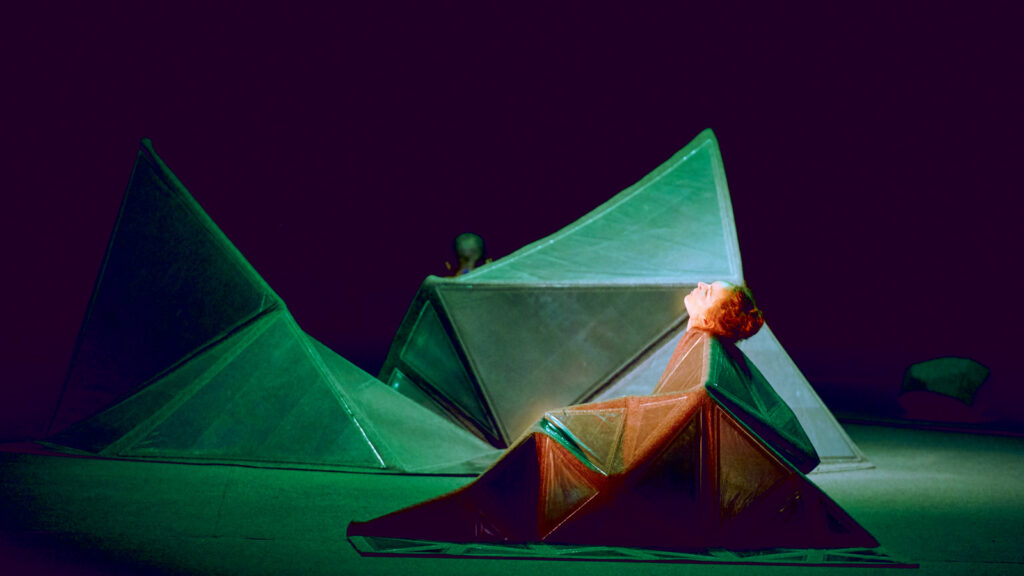
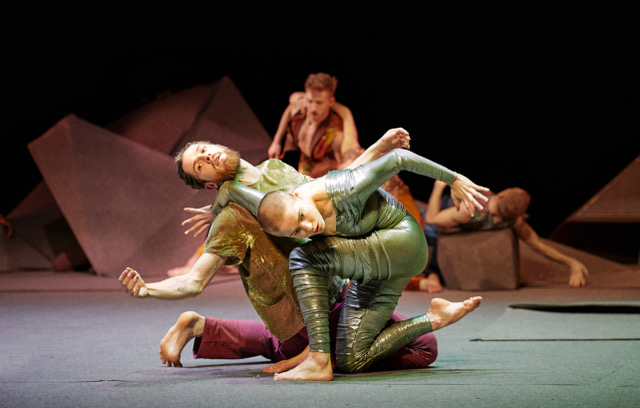
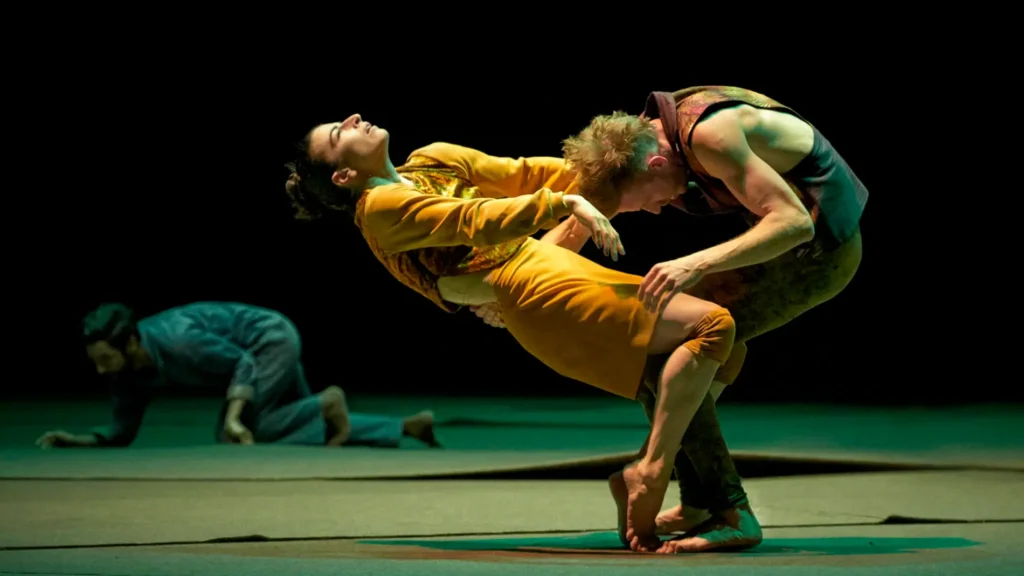
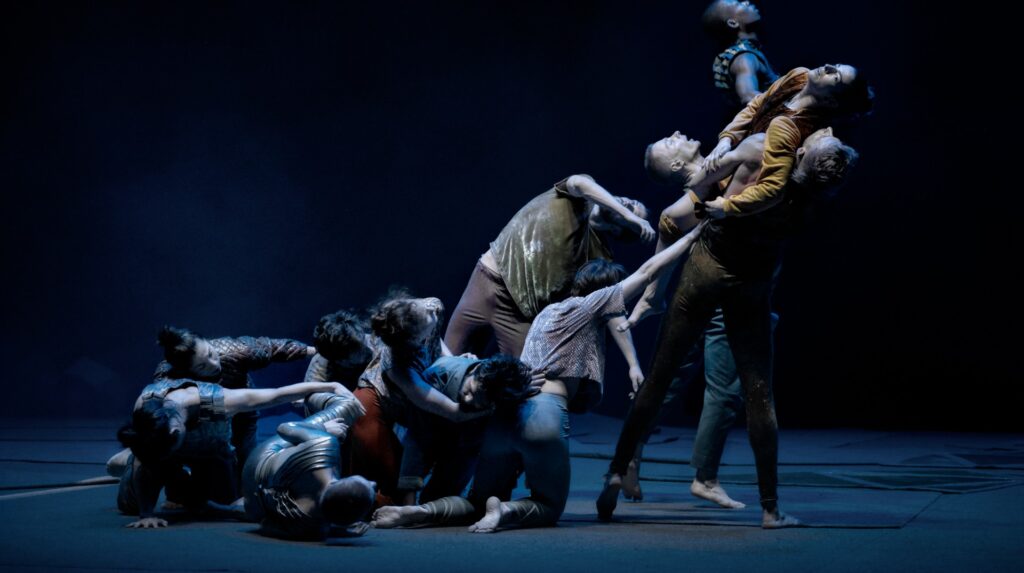
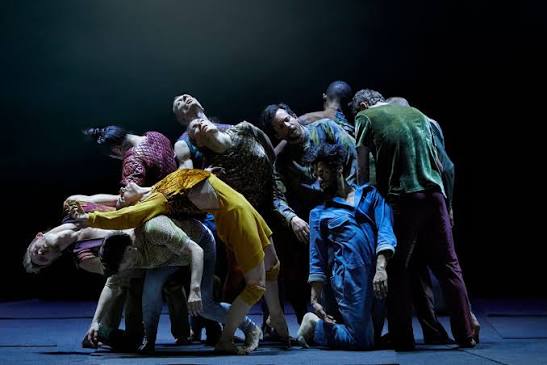
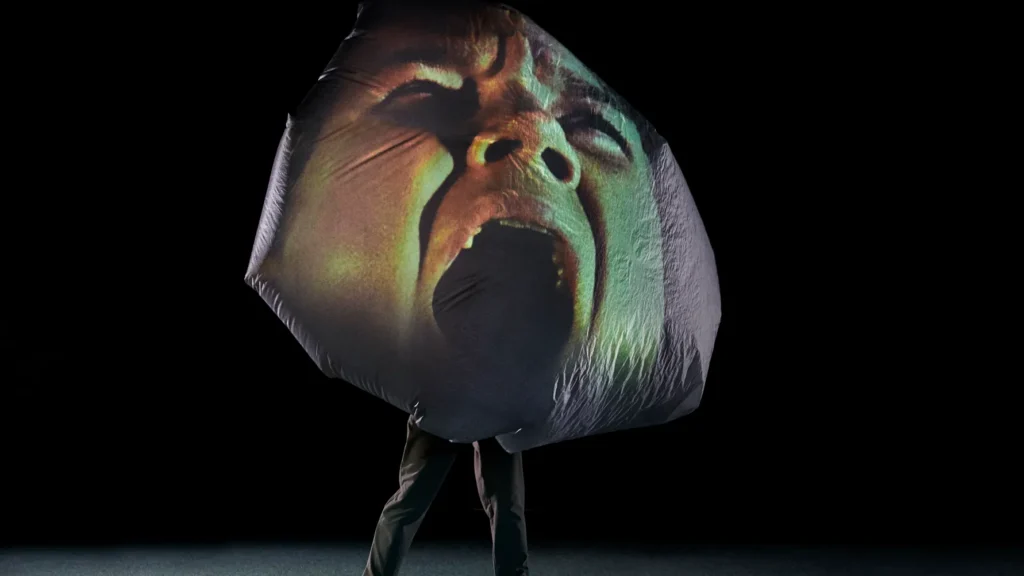
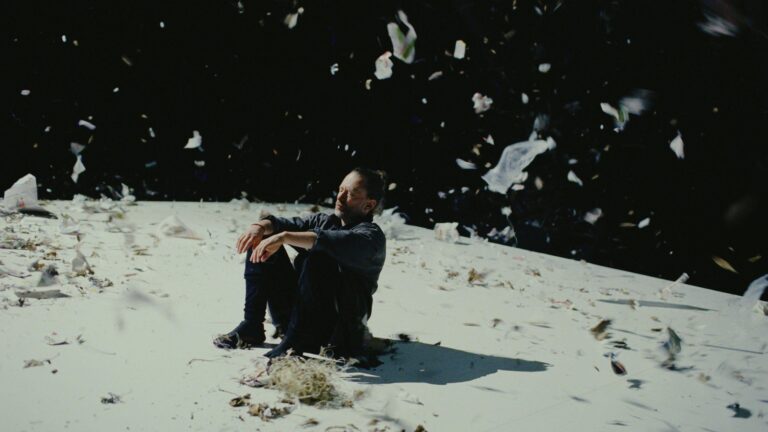
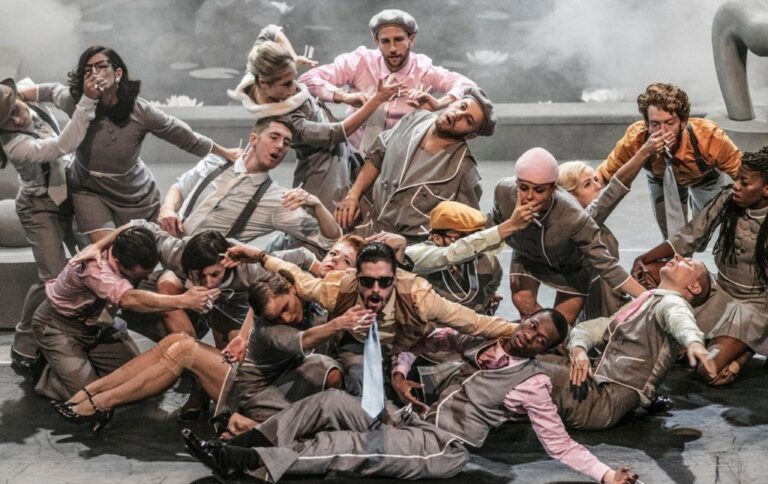
The dancers inhabit a dystopian environment in which the human body increasingly resembles an organic object or commodity. People become performers who present themselves to cameras and machines, transforming their private lives into a continuous spectacle. The work evokes a world of social media, surveillance, self-presentation, and constant spectatorship, where the desire to be seen can gradually change the way we live and remember.
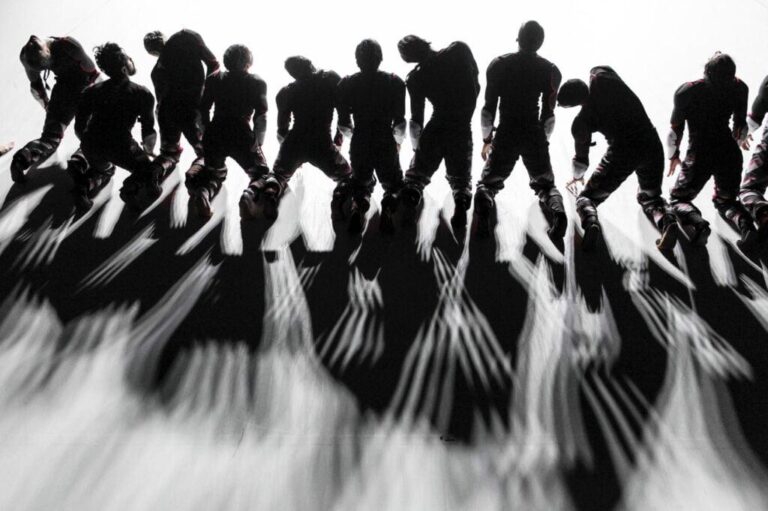
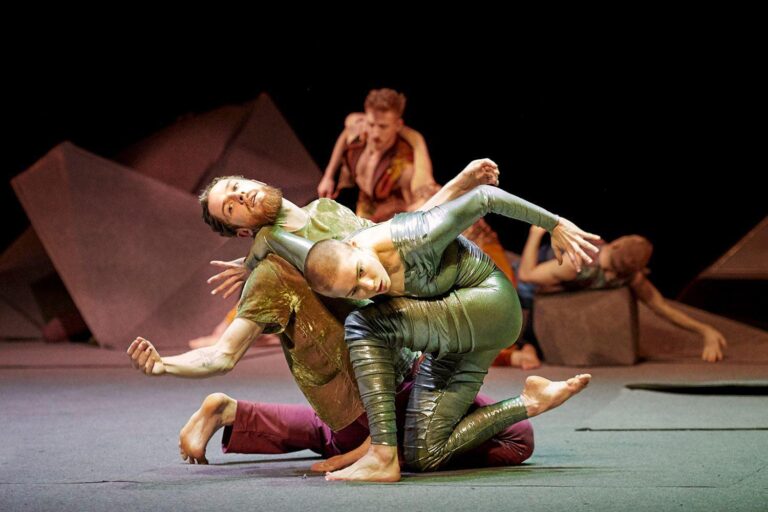
The choreography was developed collaboratively by Mascarell, choreographic assistant Nina Botkay, and the dancers of GöteborgsOperans Danskompani. Their movement language shifts between gentle, undulating sequences and moments of intense physicality. Bodies gather into collective formations, separate, collapse, and reorganise, suggesting both the pressure of conformity and the possibility of resistance. Hints of trauma and apocalypse run through the choreography, creating an atmosphere in which beauty and unease coexist.
A striking visual element is Ludmila Rodrigues’s monumental scenography, constructed from felted rugs folded into a gigantic origami-like structure. The stage becomes an unstable landscape that can transform around the dancers. Ben Frost’s specially composed electronic score adds an atmospheric and mysterious dimension, while the lighting by Mike Rijnierse and costumes by Daphna Munz contribute to the work’s stark contemporary aesthetic.
Inspired by ideas from thinkers including Zygmunt Bauman, Judith Butler, Paul B. Preciado, and Marshall McLuhan, Valley ultimately asks whether a society of increasingly controlled and individualised bodies can still create a genuine community. Between dystopia and the possibility of utopia, the dancers search for another way of being together.
Valley is both a visually powerful dance work and a critical reflection on contemporary life, inviting audiences to consider who controls our bodies, who is watching us, and how much of our lives has already become a performance.