Béjart, 3 Regards is a celebration of Maurice Béjart‘s unique and universal choreographic vision, bringing together three rarely performed works that reveal very different sides of one of the most influential choreographers of the twentieth century. Presented by the Béjart Ballet Lausanne under the artistic direction of Julien Favreau, the programme creates a journey through three musical worlds and three contrasting approaches to movement, emotion, and theatrical expression.
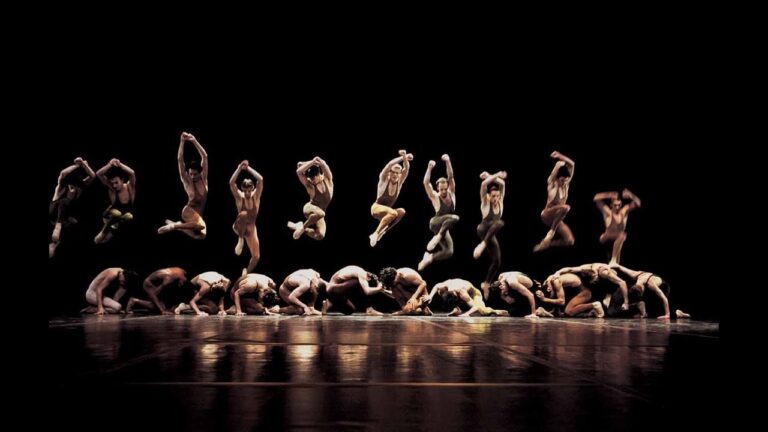
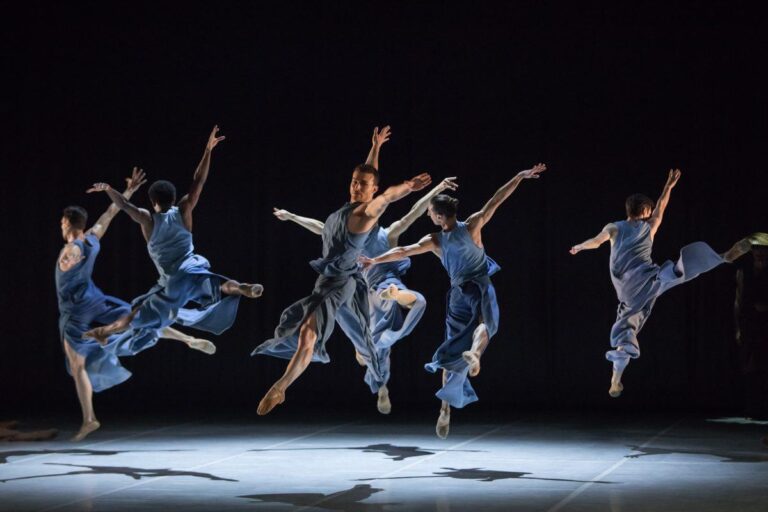
The first work, Mallarmé III, explores the abstract possibilities of contemporary dance through the music of Pierre Boulez. Inspired by the poetry and aesthetics of Stéphane Mallarmé, Béjart creates a world in which movement becomes an enigmatic language of its own. The choreography moves away from conventional narrative and focuses instead on form, rhythm, space, and the relationship between bodies. The result is an experimental and intellectually charged work in which the dancers appear to search for meaning through constantly changing physical structures.
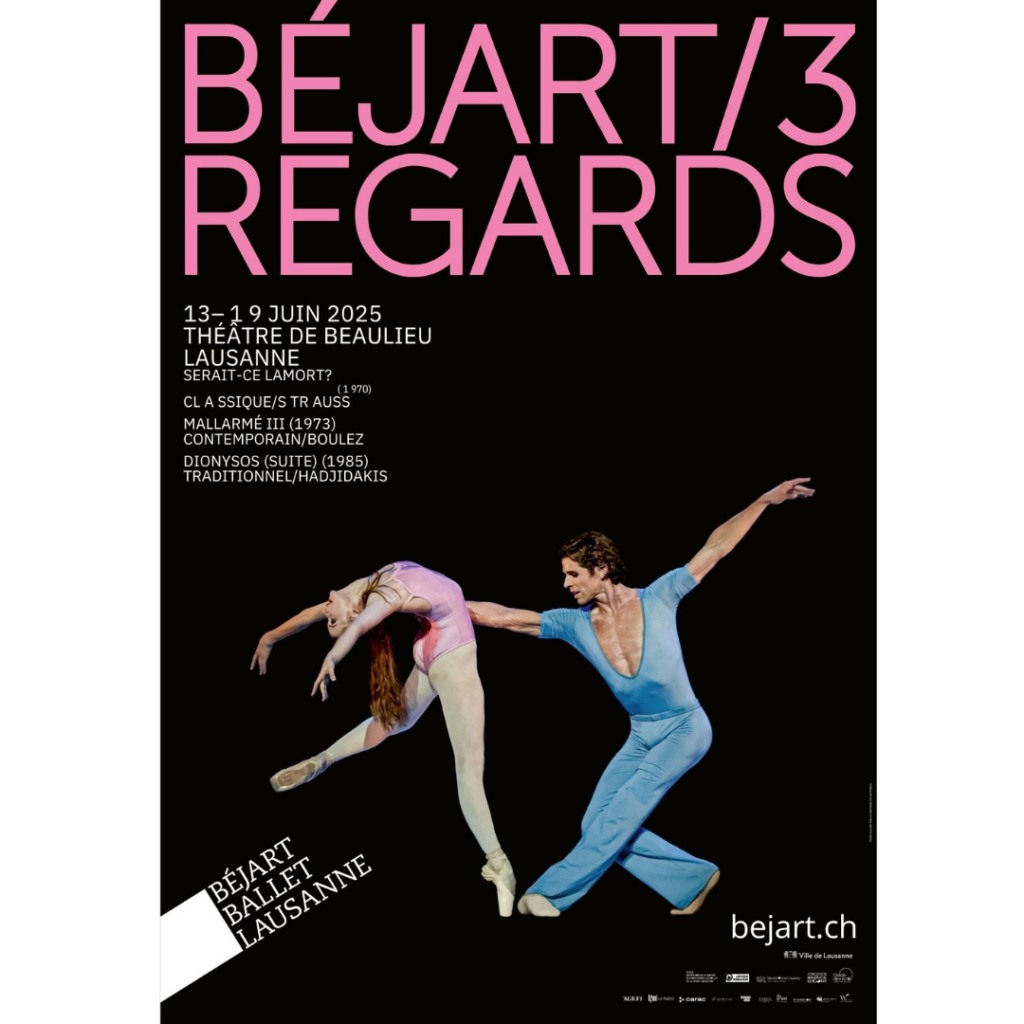
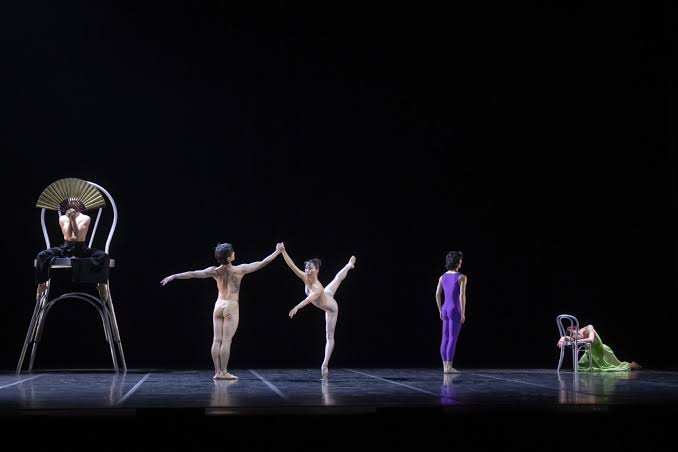
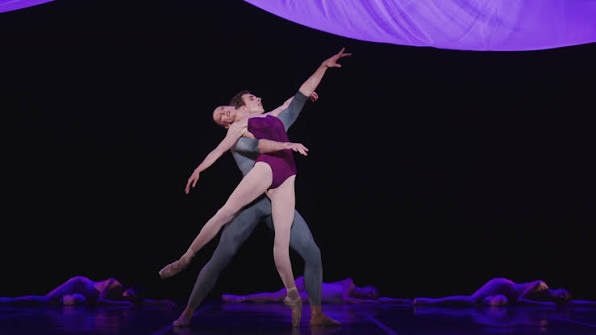
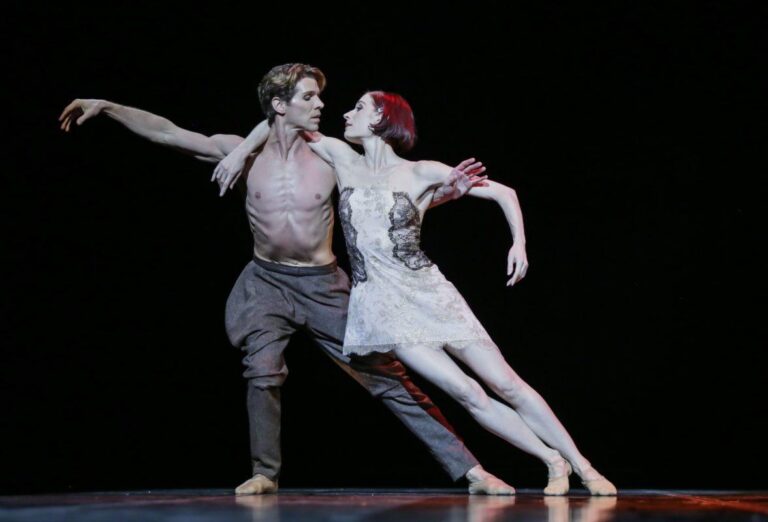
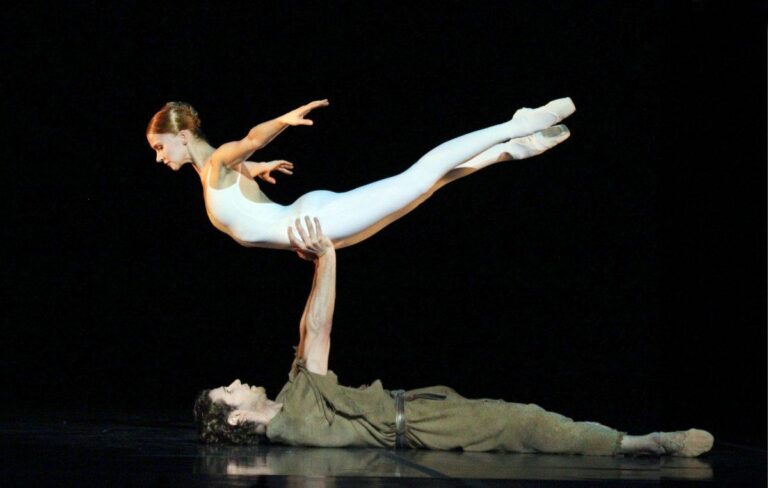
The second work, Serait-ce la mort ?, turns towards the classical repertoire and the profound musical world of Richard Strauss’s Four Last Songs. At its centre is a man approaching the end of his life, looking back at the women who have marked his existence. Memory becomes the driving force of the choreography as figures from the past reappear like fragments of a fading dream. Béjart creates an introspective meditation on love, memory, mortality, and the passage from life to death. Strauss’s music gives the work an atmosphere of extraordinary lyrical intensity, allowing the choreography to unfold like a final recollection of a life lived.
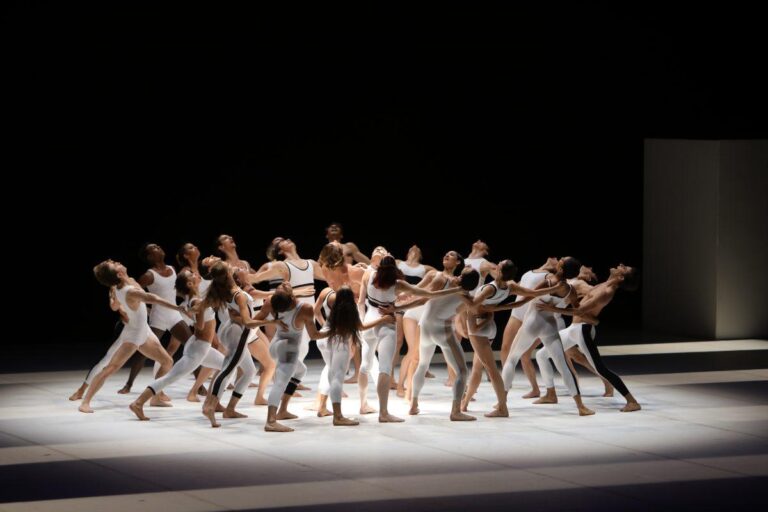
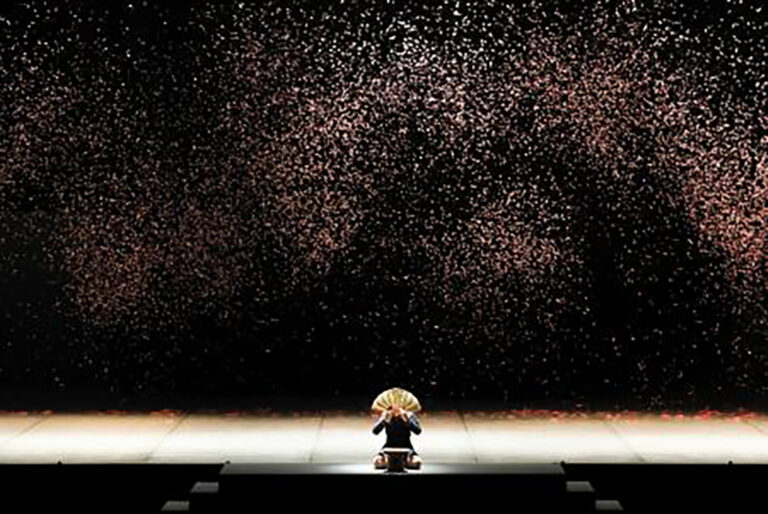
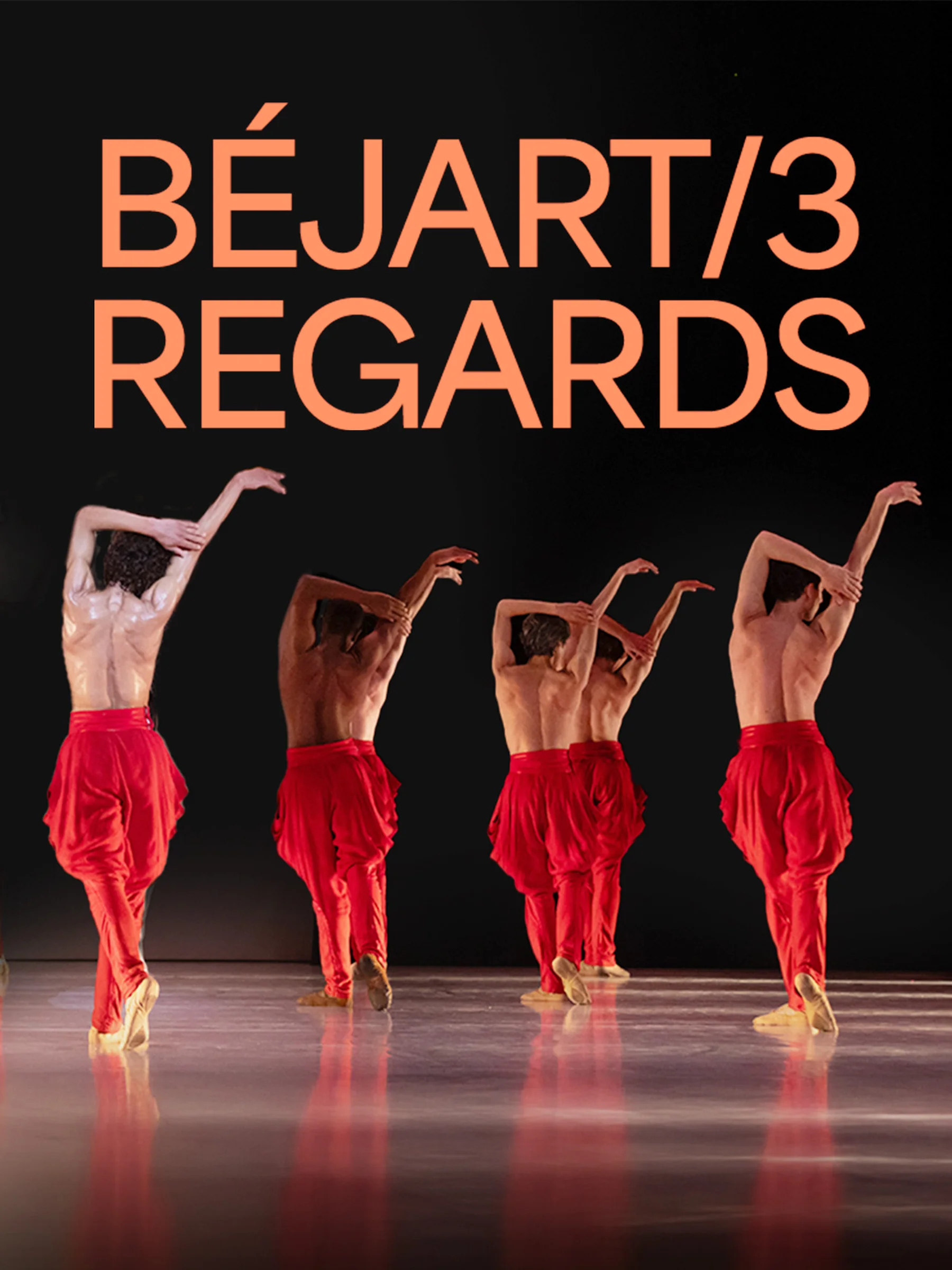
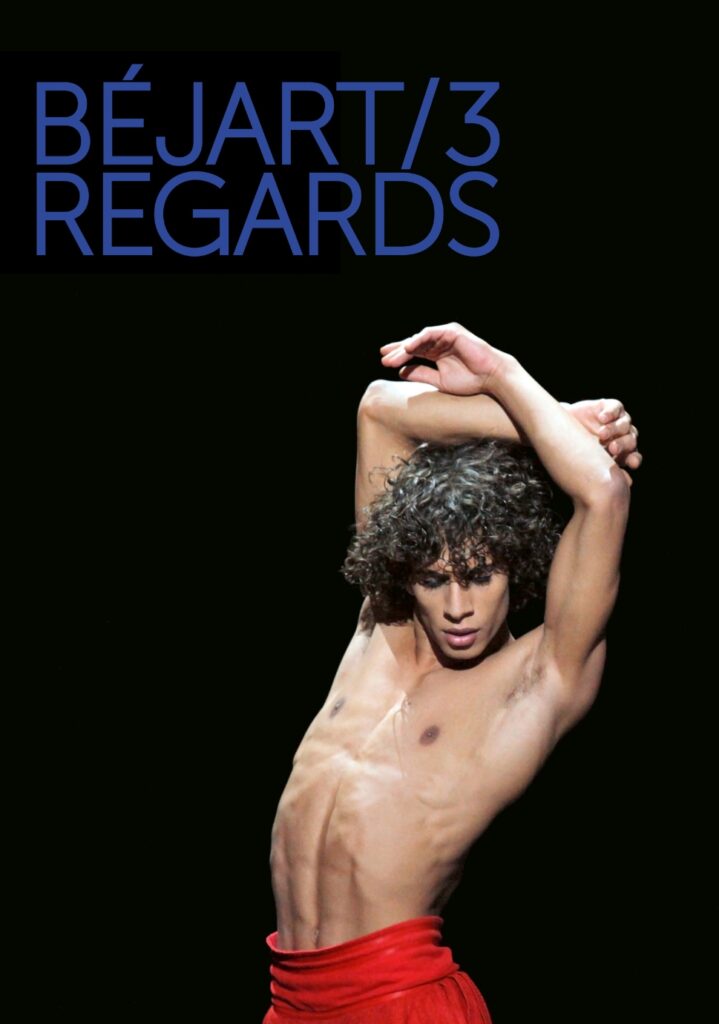
The third work, Dionysos (suite), moves into an entirely different universe. Set to the music of Greek composer Manos Hadjidakis, the ballet draws on the mythology of Dionysus, the god of wine, ecstasy, and transformation. In the atmosphere of a Greek tavern, stories, rituals, music, and passionate dances come together in a celebration of physical and spiritual freedom. Béjart expands the world of the ancient Greek god beyond Greece, creating connections between Mediterranean cultures, the Middle East, and the Indian subcontinent. Traditional rhythms and theatrical movement give the work a sensual and exuberant energy.
Together, these three works reveal the extraordinary breadth of Béjart’s imagination. Mallarmé III presents the visionary experimenter, Serait-ce la mort ? the emotional storyteller, and Dionysos (suite) the choreographer fascinated by myth, ritual, and cultural traditions. Béjart, 3 Regards offers a rare opportunity to experience these contrasting dimensions within a single evening, demonstrating how Béjart’s choreography could move effortlessly between abstraction, intimate human drama, mythology, and universal questions about life and death.