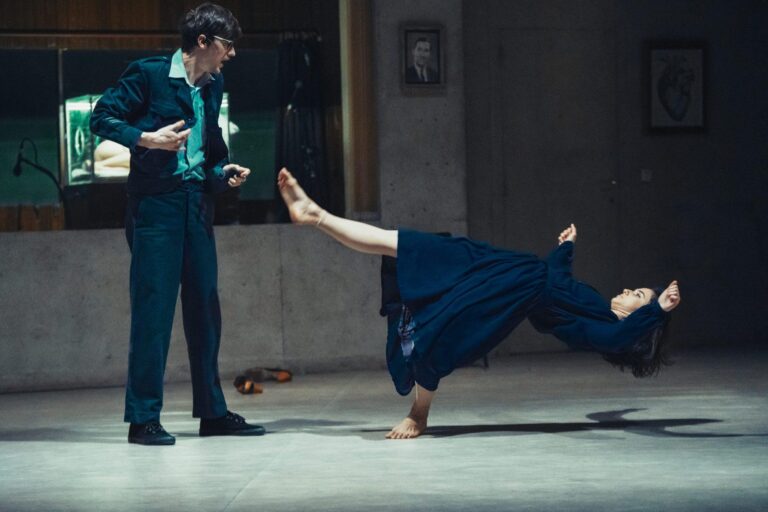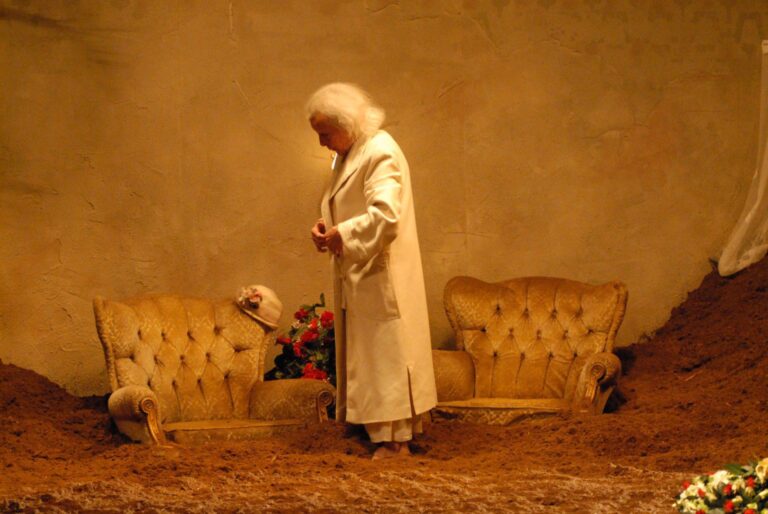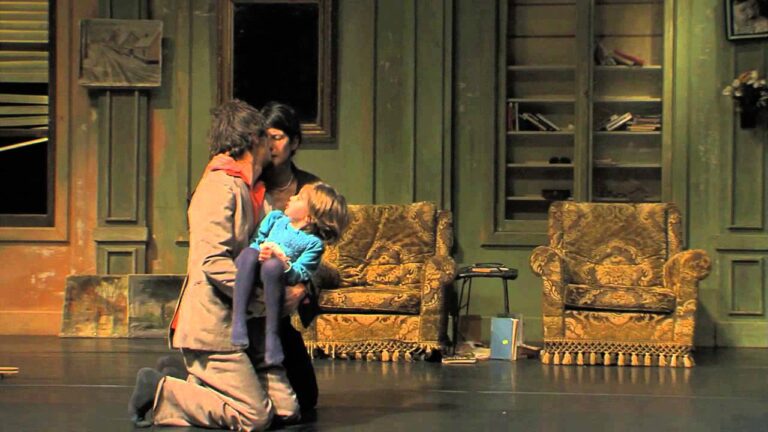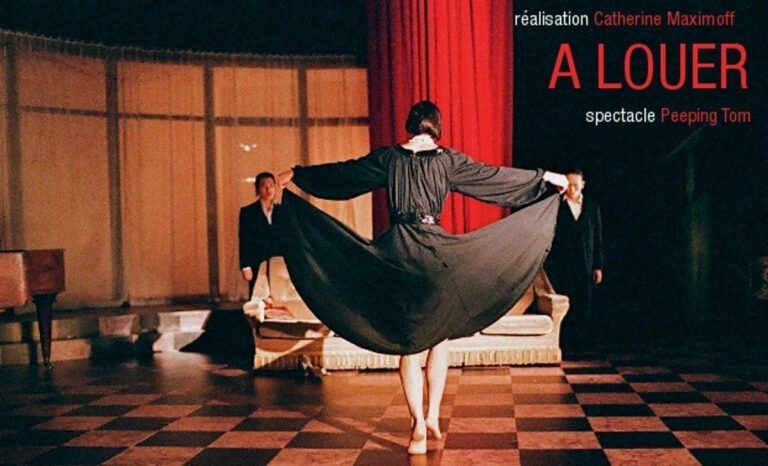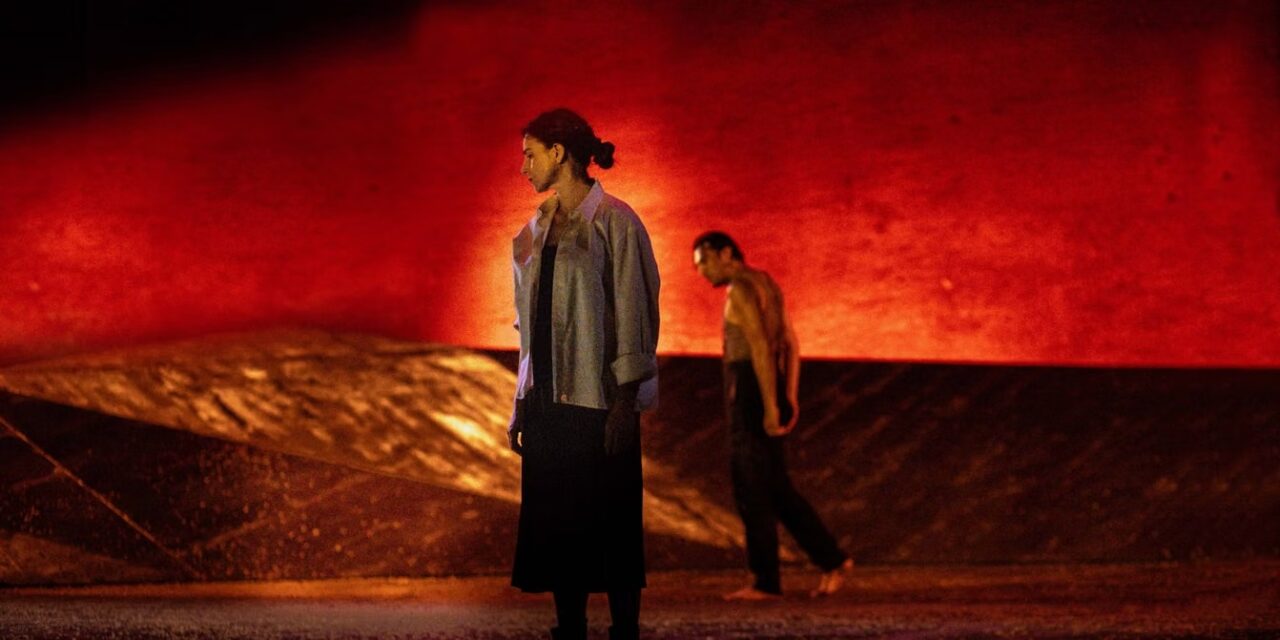
Gabriela Carrizo‘s production of Georges Bizet’s Carmen for the Salzburg Festival offers a radical reinterpretation of one of the most iconic works in the operatic repertoire. Known as the co-founder and artistic force behind the Brussels-based company Peeping Tom, Carrizo brings her distinctive language of physical theatre, psychological exploration, and surreal imagery to Bizet’s timeless story of passion, freedom, obsession, and violence. Rather than treating Carmen simply as a drama of romantic conflict, Carrizo examines the hidden impulses, fears, and desires that shape the characters from within.
At the centre of the production is an exploration of Carmen and Don José not only as legendary figures, but as complex human beings driven by opposing forces. Carrizo focuses on the psychological landscape behind the familiar narrative: the desire for independence, the fear of abandonment, the struggle between possession and freedom, and the destructive consequences of uncontrolled passion. In her interpretation, the stage becomes a space where memories, unconscious thoughts, and emotional tensions materialise through movement and imagery.
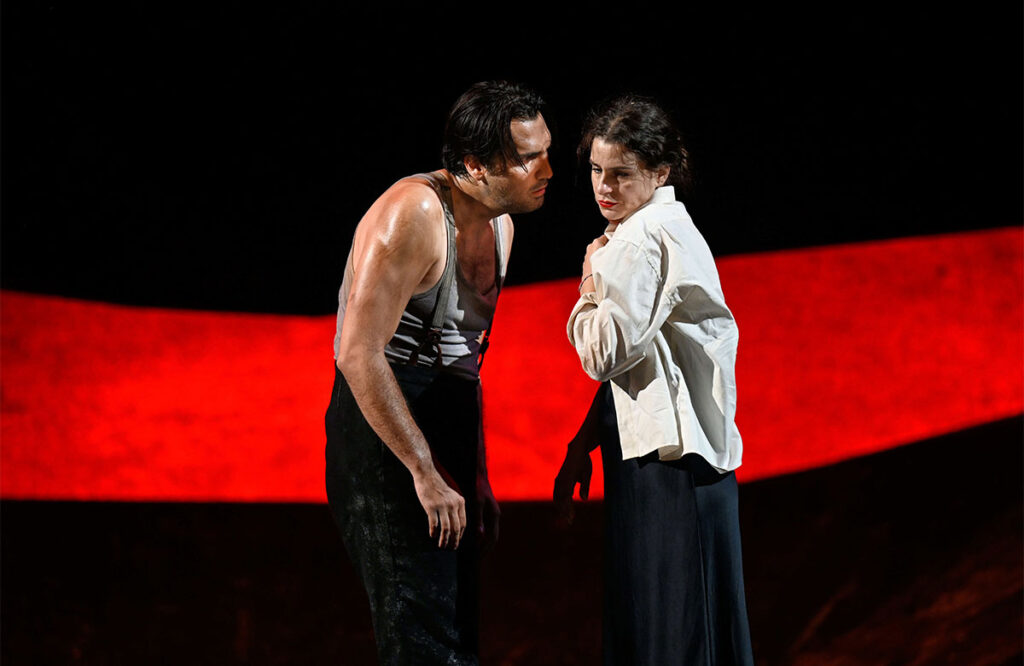
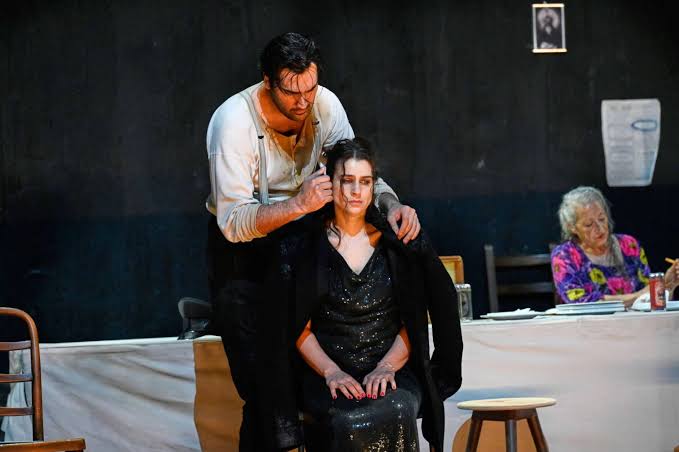
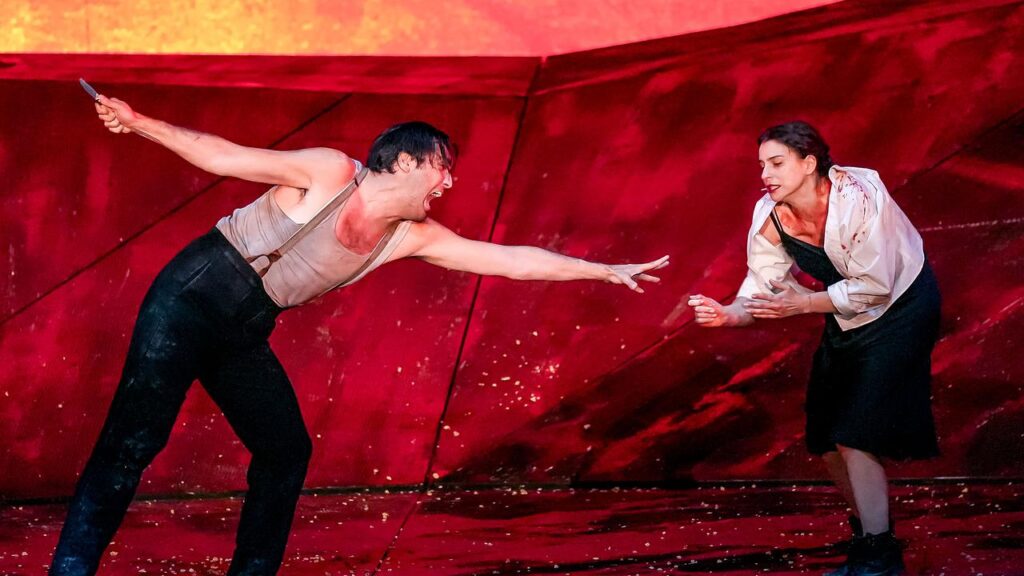

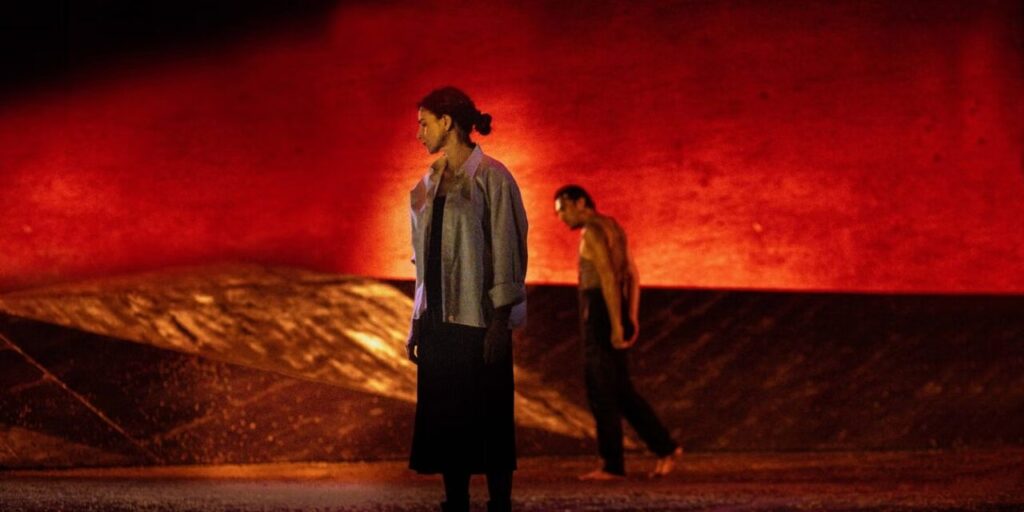
The production expands the traditional boundaries between opera and contemporary dance. Drawing on the physical intensity and theatrical vocabulary developed through Peeping Tom, Carrizo integrates dancers into the operatic world, creating a multilayered stage environment where singers and performers coexist. The choreography does not simply illustrate the music but reveals the characters’ inner states, transforming physical gestures into expressions of trauma, desire, and psychological conflict.
The musical dimension is led by conductor Teodor Currentzis with Utopia Orchestra, Utopia Choir, and Bachchor Salzburg. Bizet’s famous score is presented with dramatic intensity, highlighting both its lyrical beauty and its darker emotional undercurrents. The cast includes Asmik Grigorian as Carmen, Jonathan Tetelman as Don José, Kristina Mkhitaryan as Micaëla, and Davide Luciano as Escamillo.
The visual world of the production reflects Carrizo’s fascination with the border between reality and imagination. Christof Hetzer creates the stage design, Tom Visser designs the lighting, and Raphaëlle Latini contributes sound design, forming a theatrical environment where physical space becomes a reflection of the characters’ emotional states.
With Carmen, Gabriela Carrizo brings the language of contemporary dance theatre into dialogue with one of opera’s most familiar masterpieces. Her production reveals a darker, more intimate dimension of Bizet’s work, transforming the legendary story of Carmen into a psychological journey through desire, identity, freedom, and the fragile boundaries between love and destruction.