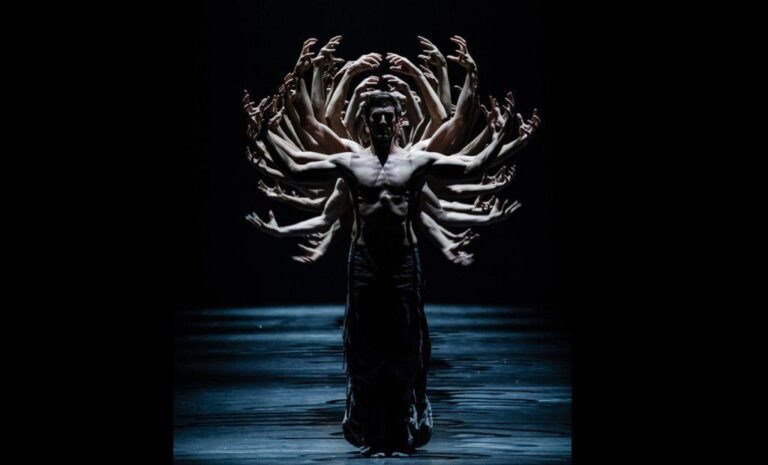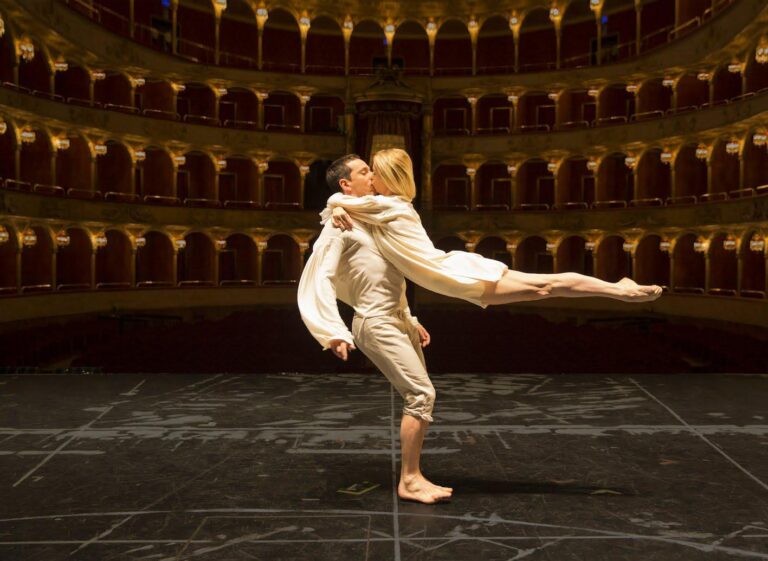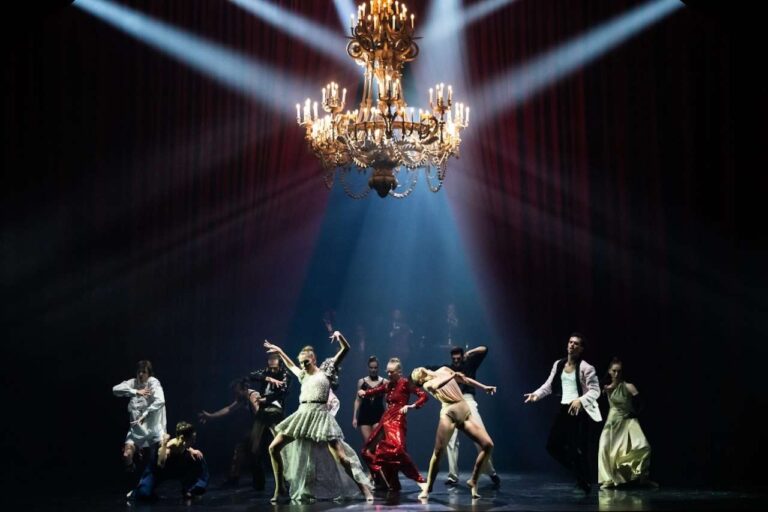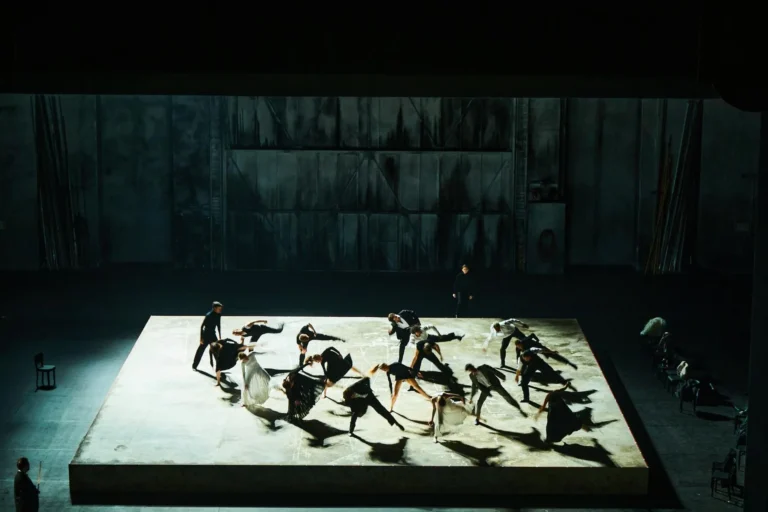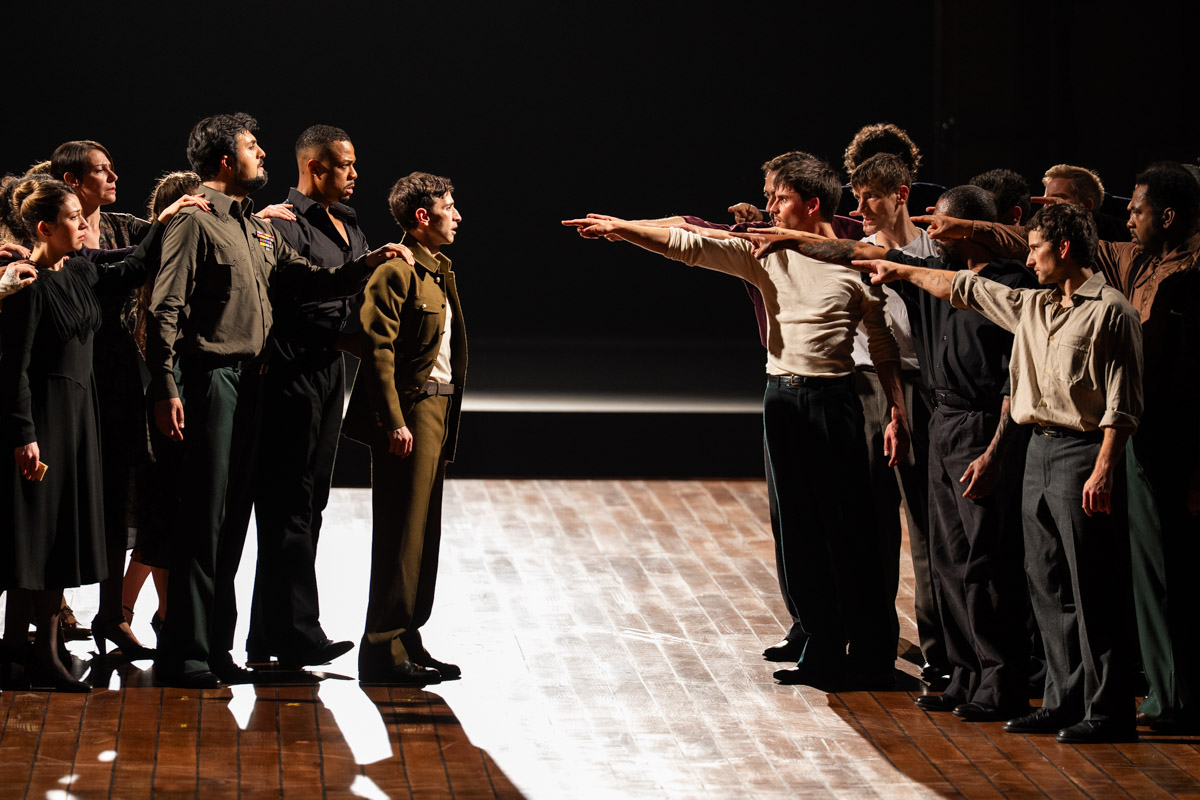
What is Gandhi’s influence on the contemporary political world? This is the question explored by Philip Glass’s opera Satyagraha (1980), the second in his trilogy devoted to historical figures, alongside Einstein on the Beach (1976) and Akhnaten (1984). But Satyagraha – Sanskrit for “truth force” – is not a biopic.
This work, with its mesmerising music, interweaves timelines, relating each of its three acts to a key figure linked to Gandhi in order to better understand the genesis of his political thought: Leo Tolstoy, with whom he corresponded; the poet Rabindranath Tagore, who supported him; and Martin Luther King, who was inspired by his principles of non-violence.
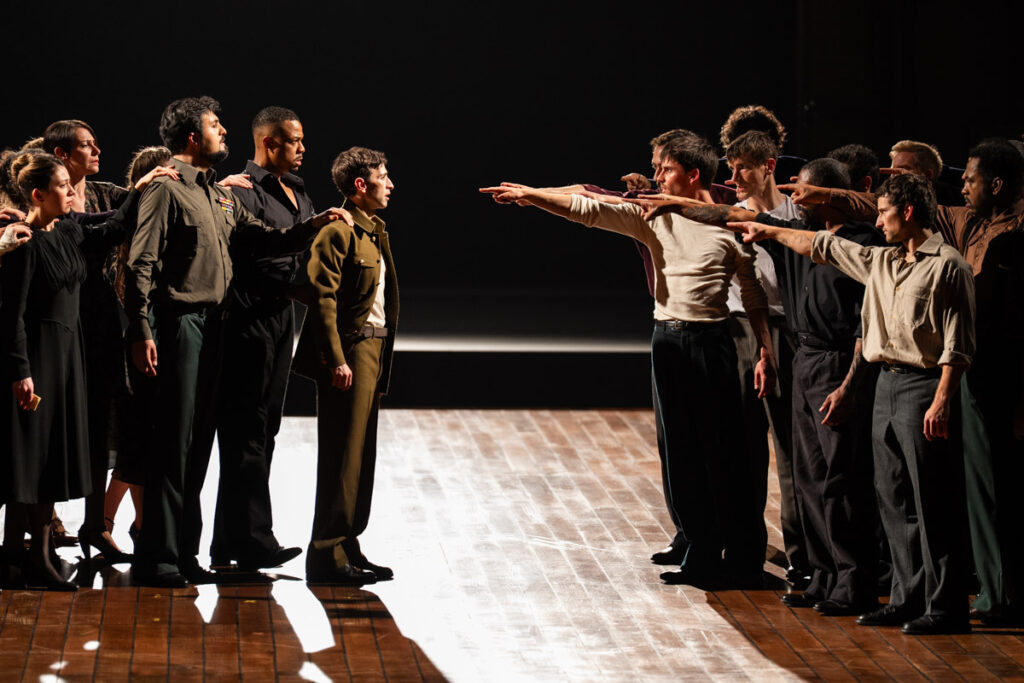
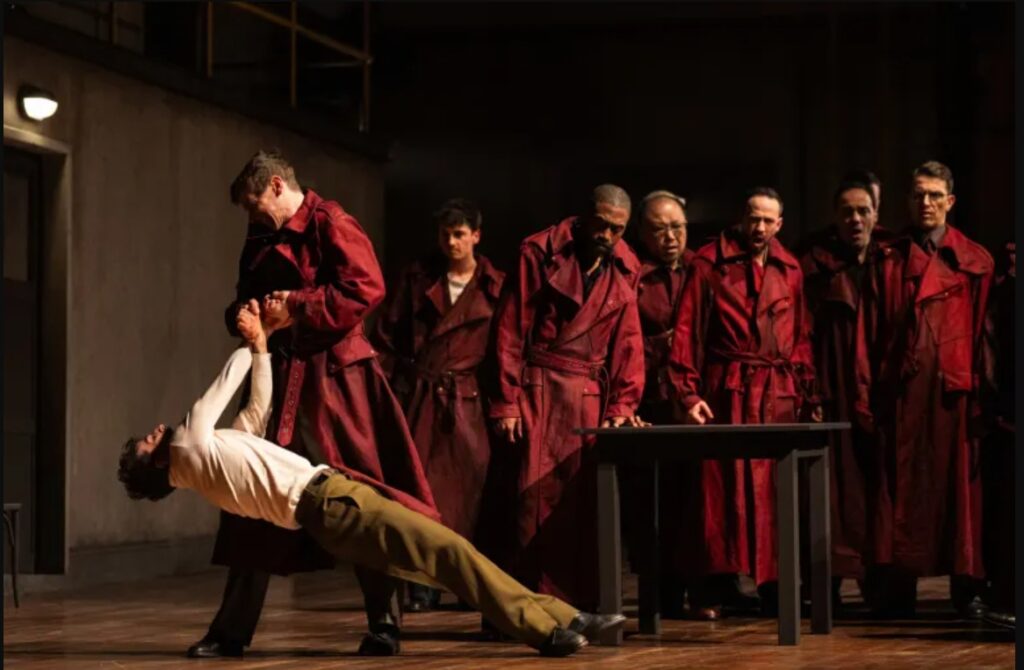
Satyagraha is entering the Paris Opera repertoire directed by Bobbi Jene Smith and Or Schraiber, who have already created the dance piece Pit. For them, this opera “is not simply a meditation on history, but a call to action and a forceful lesson that rings ever more true today.”
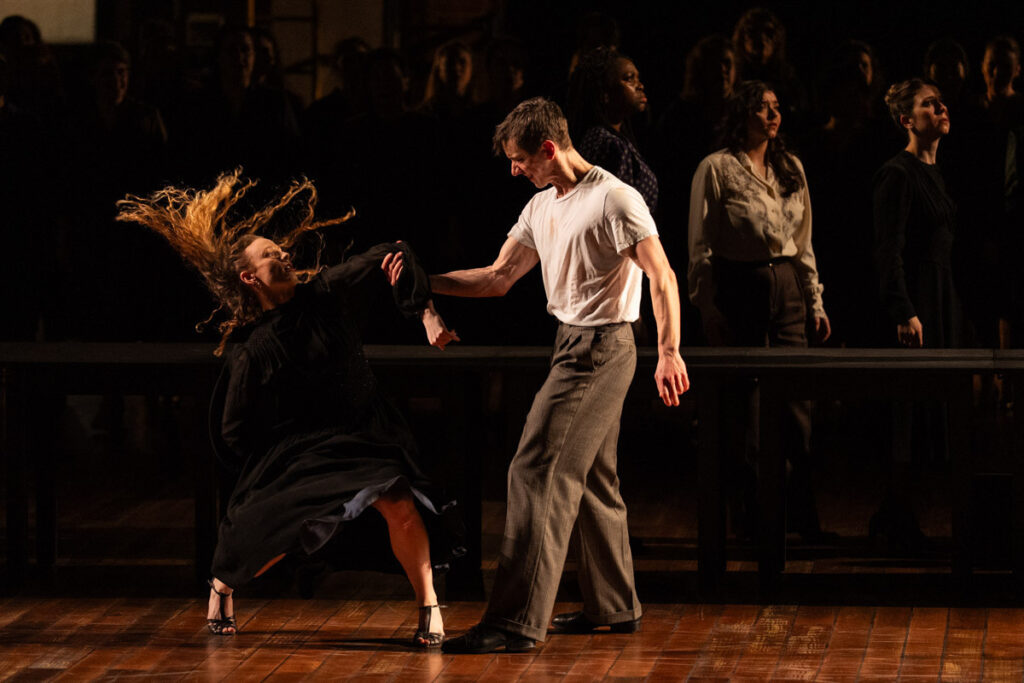
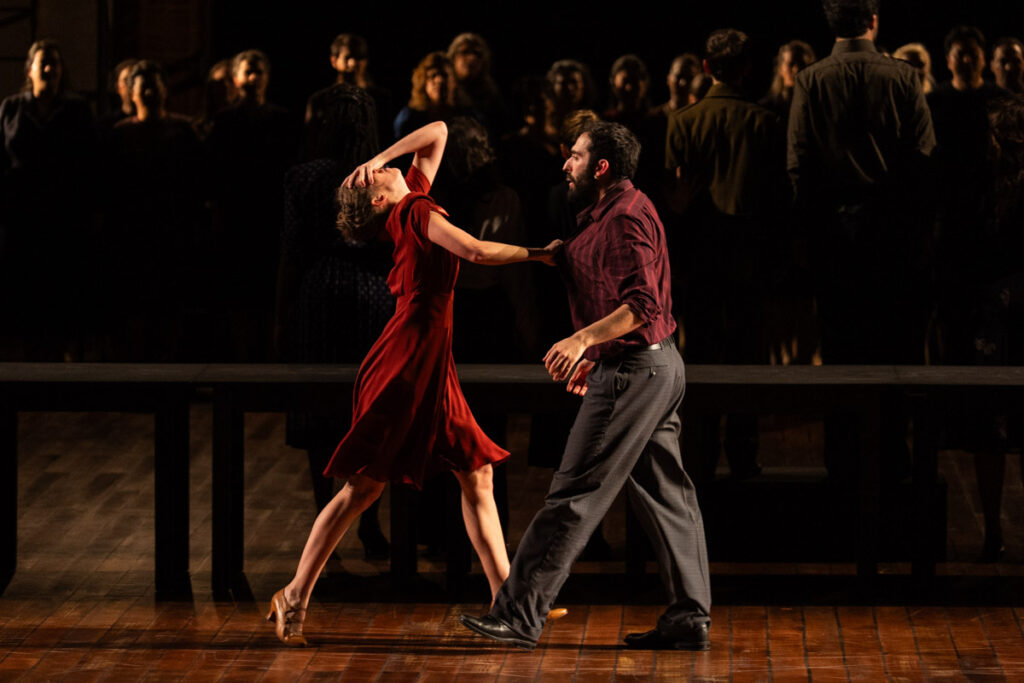
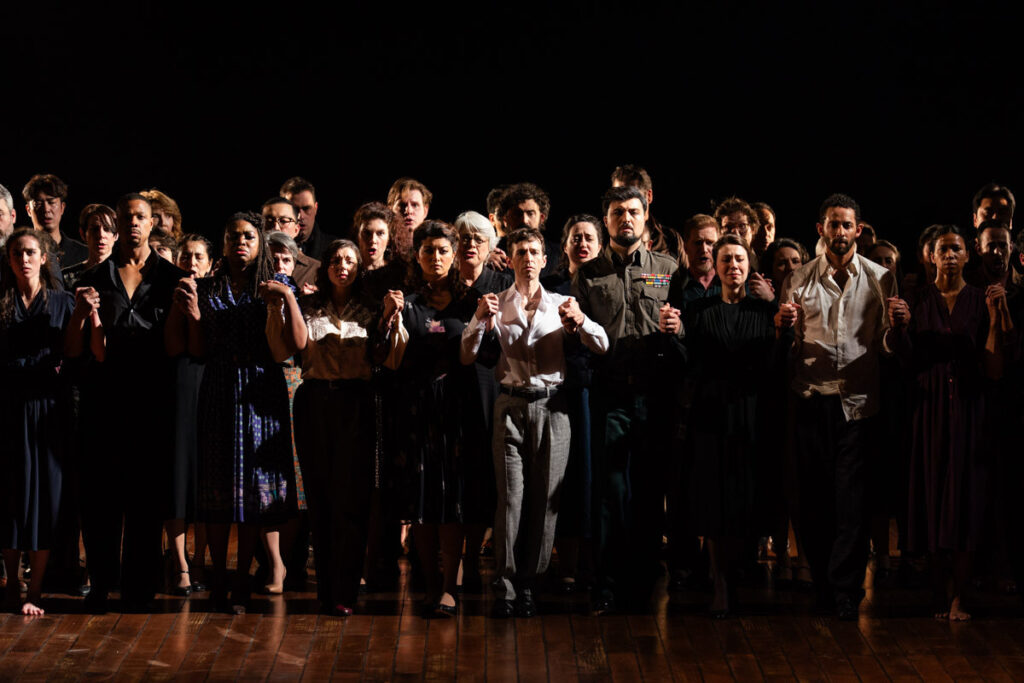
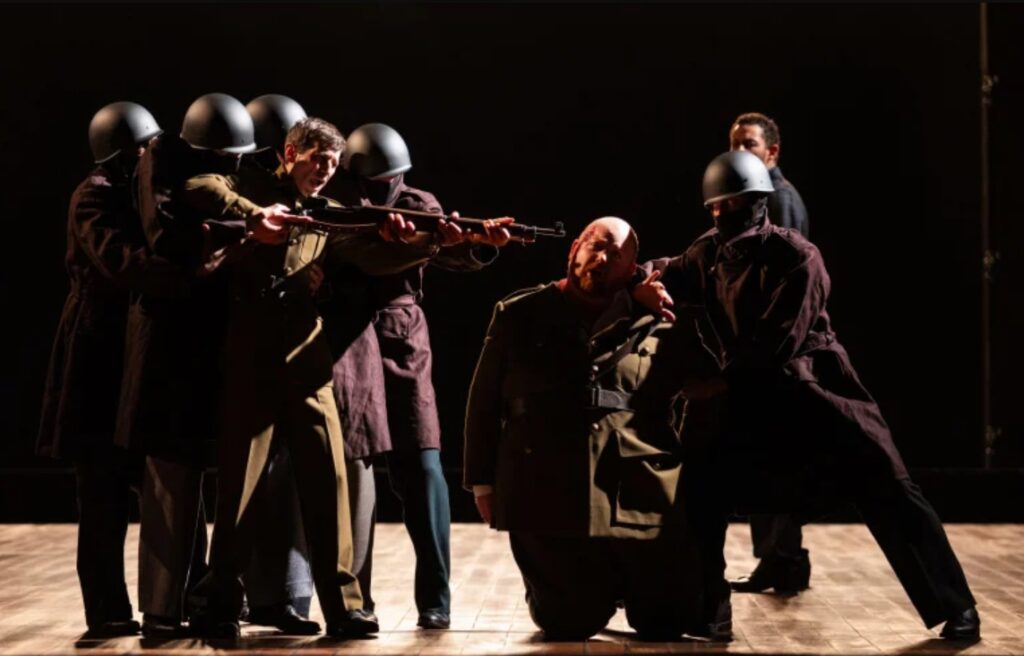
Smith and Schraiber are director-choreographers whose collaborative practice spans dance, theatre, opera, and film. Partners both inside and outside the studio, they have developed a shared artistic language built on years of working, performing, and creating together. Both artists are alumni of Batsheva Dance Company, where they performed under the direction of Ohad Naharin. Their time with the company had a lasting influence on their movement approach, particularly in its emphasis on improvisation, musicality, and deep physical awareness. Smith joined Batsheva in 2005 after training at The Juilliard School and other major North American institutions, while Schraiber joined in 2010 following his studies at the Jerusalem Academy of Music and Dance.