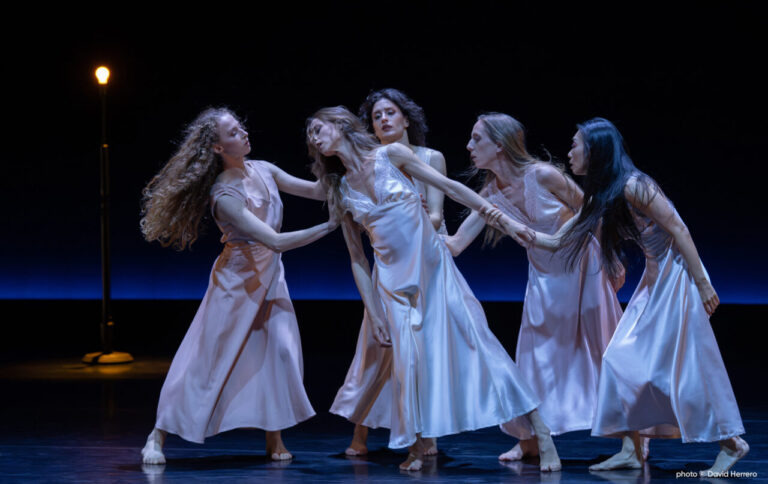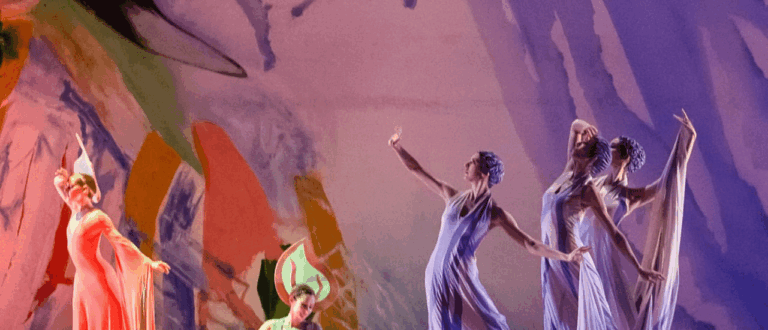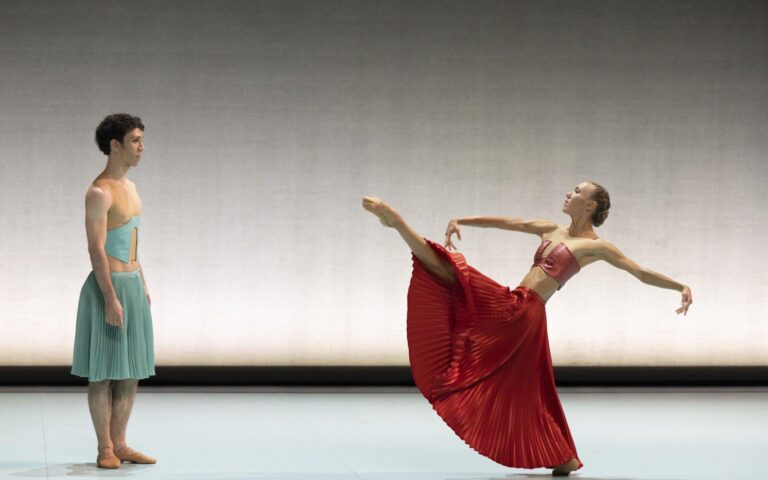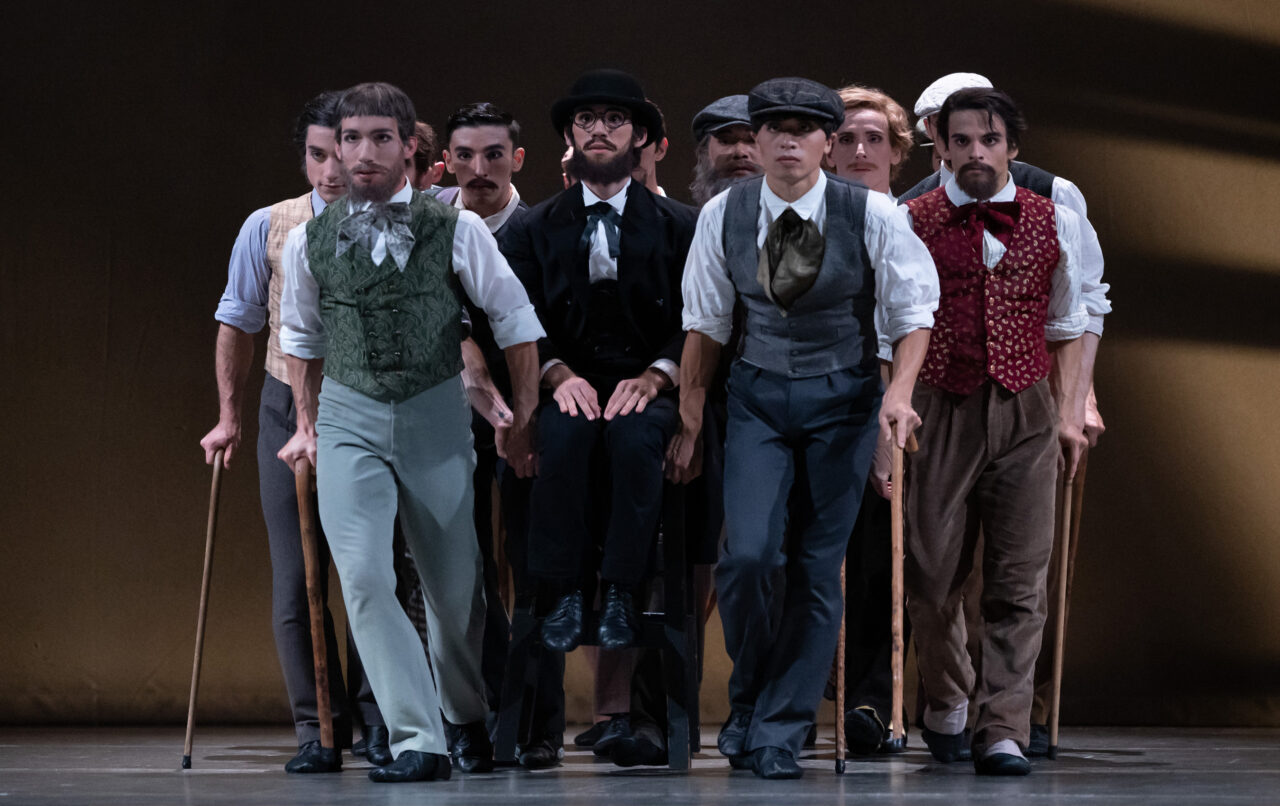
Toulouse-Lautrec is an impressionistic ballet by French choreographer Kader Belarbi, created for the Ballet du Capitole and inspired by the life, paintings, and extraordinary visual world of Henri de Toulouse-Lautrec. Rather than constructing a conventional biography, Belarbi creates a vivid choreographic portrait of the artist and of the Belle Époque Paris that surrounded him: its cabarets, music halls, circuses, cafés, dances, performers, and nocturnal celebrations.
At the centre of the ballet is Toulouse-Lautrec himself, known as Monsieur Cloche-pied. Belarbi is particularly interested in the contradiction between the artist’s physical limitations and the extraordinary freedom of his artistic vision. Toulouse-Lautrec’s body, his relationship with the gaze of others, and his fascination with the bodies and gestures of those around him become the starting point for the choreography. For Belarbi, the connection between painting and dance is essential: Toulouse-Lautrec captured movement, rhythm, attitude, and personality with a single stroke, while the choreographer reconstructs this movement through the dancers’ bodies.
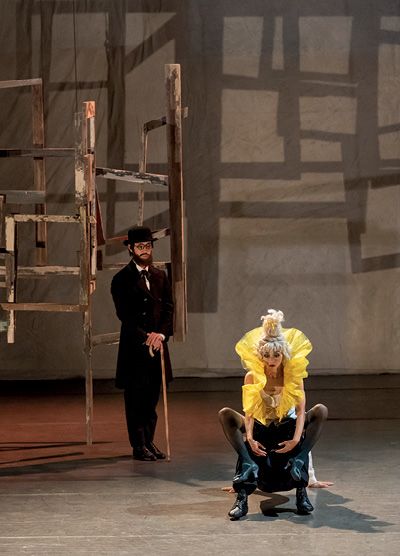
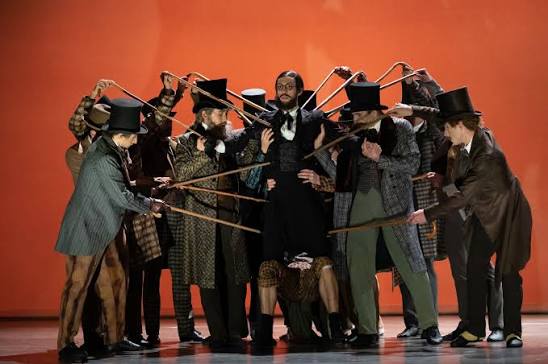
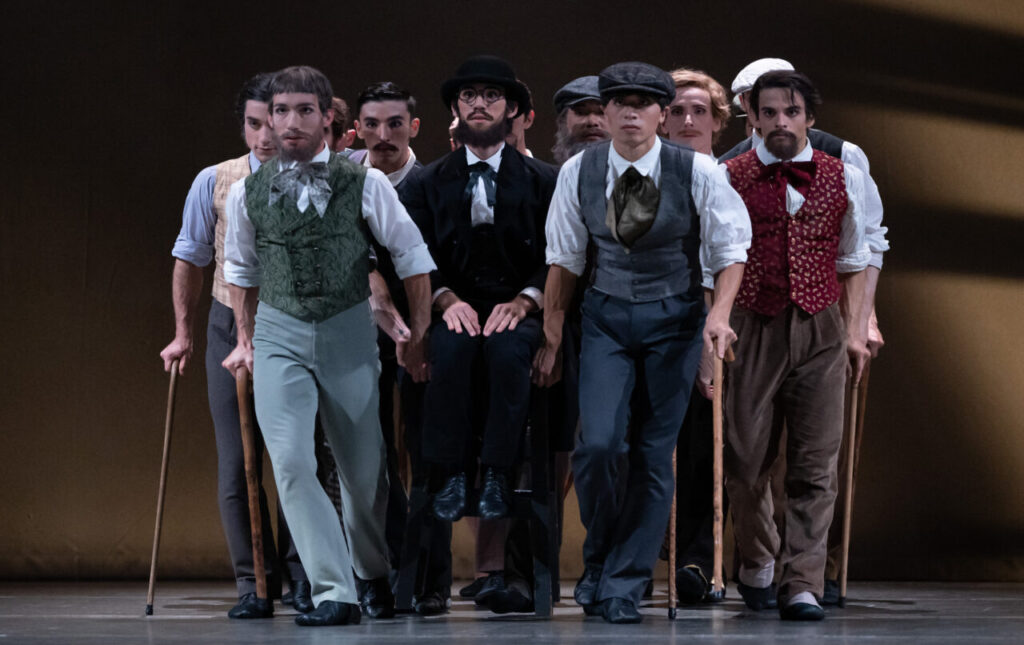
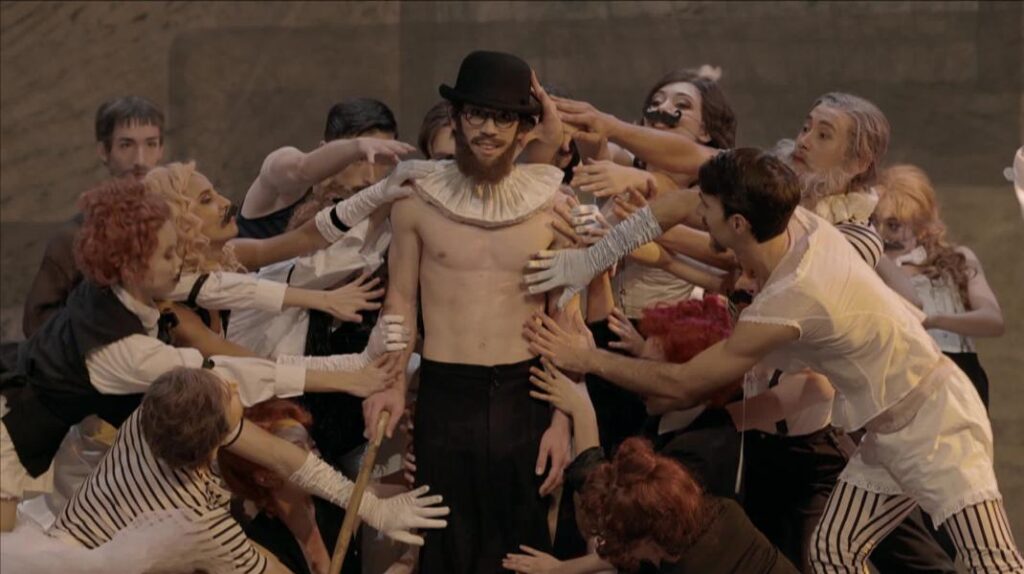
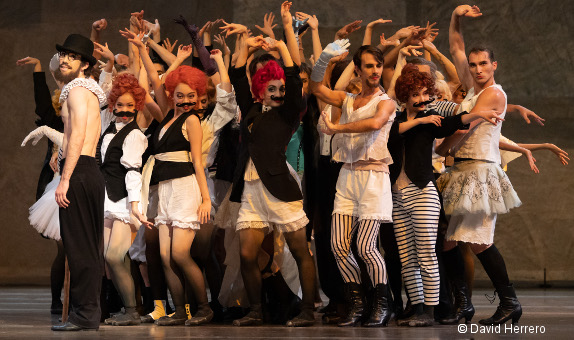
The ballet is conceived as a choreographic collage rather than a linear narrative. Belarbi describes his creative process as collecting, cutting, selecting, and rearranging elements from the painter’s universe, much like assembling the pieces of a puzzle. Characters and images associated with Toulouse-Lautrec’s work appear and disappear within a constantly changing theatrical landscape, creating a dreamlike portrait of an artist who observed Paris with both fascination and uncompromising clarity.
An innovative element of the original production was its optional virtual-reality experience, created in collaboration with Luc Riolon. Spectators could use a VR headset to enter the performance space and experience selected sequences from within the world of the dancers, extending Belarbi’s dialogue between painting, movement, theatre, and new technology.
Performed by the Ballet du Capitole‘s Étoiles, soloists, and corps de ballet, Toulouse-Lautrec becomes both a portrait of an extraordinary artist and a celebration of the Parisian world he captured. It is a ballet about looking—and about transforming what is seen into movement, rhythm, colour, and human emotion.